

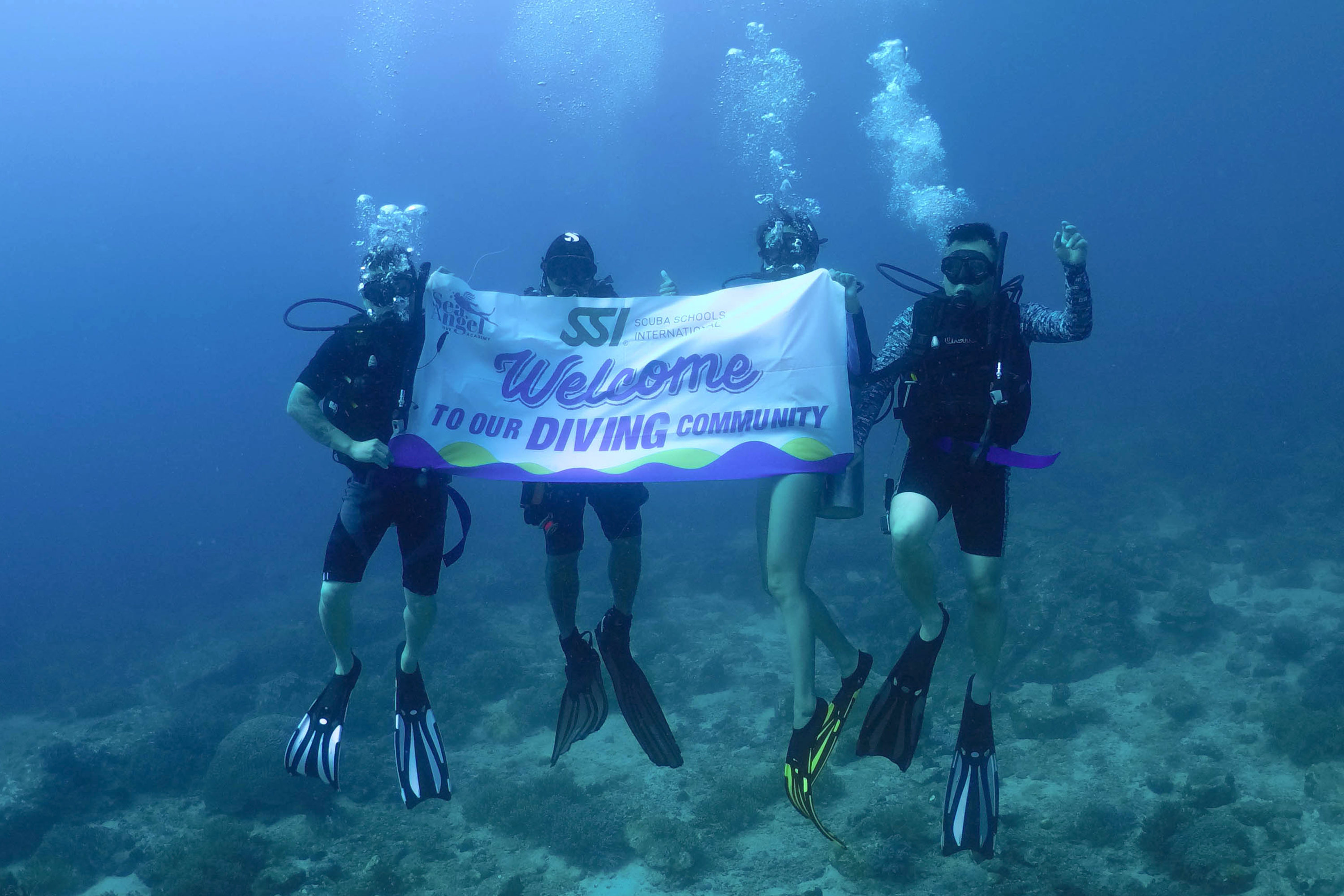
Your first breath underwater tends to split people into two camps. One group surfaces grinning, already planning the next dive. The other enjoys the moment but realises that confidence, comfort and the right teaching style matter far more than glossy brochures. That is exactly why the best beginner scuba course features deserve a closer look before you book.
For new divers, the course itself shapes the entire experience. A beautiful island setting helps, of course, but scenery alone does not make someone feel safe beneath the surface. The difference usually comes down to how the course is structured, how well beginners are supported, and whether the learning environment feels encouraging rather than intimidating.
What the best beginner scuba course features really look like
A beginner course should feel professional without feeling clinical. You want expert standards, but you also want an atmosphere that suits a holiday – calm, well paced and genuinely enjoyable. The strongest courses manage both.
That balance matters because first-time divers are often carrying a mix of excitement and nerves. Some worry about breathing underwater. Others are concerned about clearing a mask or equalising pressure. A well-designed course does not dismiss those concerns. It anticipates them and builds confidence step by step.
Clear instruction without information overload
One of the most valuable features in any beginner scuba course is clarity. New divers do not need complicated language or an instructor trying to prove how much they know. They need explanations that are simple, practical and easy to remember in the water.
The best instructors break skills into manageable parts. They explain what will happen, why it matters and what to do if something feels unfamiliar. That approach reduces anxiety and helps beginners stay present. It also makes safety procedures easier to absorb, which is far more useful than rushing through theory to get to the fun part.
There is a trade-off here. Some travellers want the fastest route to certification, especially on a short island stay. But speed is not always your friend when you are learning a new environment and breathing system. A course that allows time to practise properly is often the better choice, even if it feels less rushed than expected.
Small groups and personal attention
If a course places too many beginners with one instructor, the experience quickly becomes less comfortable. Small group teaching is one of the best beginner scuba course features because it creates space for individual coaching.
This matters more than many people realise. Not every student learns at the same pace. One person may take to buoyancy naturally, while another needs extra reassurance before removing and replacing a regulator. In smaller groups, instructors can notice these differences early and respond well.
For couples, families or friends travelling together, this also improves the overall feel of the holiday. The course becomes less like a production line and more like a guided adventure with professional support. In a premium resort setting, that level of attention should feel like part of the experience, not an added extra.
Safety standards that feel visible, not hidden
Beginners are not always in a position to judge technical quality immediately, so a good course should make its standards obvious. Equipment should look well maintained. Briefings should be calm and thorough. The learning sequence should feel deliberate, not improvised.
You should also expect a proper introduction to the gear before entering open water. A first-time diver who understands how the mask, BCD and regulator work is usually more relaxed from the start. Confidence often comes from familiarity, and familiarity starts on the surface.
There is an important distinction here. A welcoming atmosphere is excellent, but it should never replace professionalism. The best beginner experiences feel friendly and polished at the same time. You should feel looked after, not merely entertained.
A gentle progression from shallow water to open water
A quality course does not throw beginners straight into demanding conditions. It begins in a controlled environment where foundational skills can be repeated until they feel natural.
That early practice is where confidence is built. Breathing steadily, clearing water from a mask and adjusting buoyancy all become far easier when there is no sense of hurry. Once those basics settle in, open water feels exciting rather than overwhelming.
The progression should also match the local environment. Calm, clear water is ideal for first dives because it allows students to focus on technique instead of battling current or poor visibility. This is where destination matters. A scenic marine setting is not just a luxury – for beginners, it can make learning easier and far more enjoyable.
Marine life and scenery should support the learning experience
People often choose a course because they want more than a certification card. They want a memorable underwater encounter. That is entirely reasonable. The first course should teach skills, but it should also show why diving is worth pursuing.
A beginner-friendly location with vibrant reefs, good visibility and regular marine life sightings transforms training into something more inspiring. Skills stop feeling like drills and start feeling like part of a wider adventure. You are not simply practising buoyancy; you are learning how to move calmly through an underwater world without disturbing it.
That said, beginners should be wary of choosing a course based purely on dramatic wildlife promises. Turtles and reef fish are wonderful, but consistent teaching conditions matter more than chasing spectacle. The best course combines both – safe, manageable dive sites and enough natural beauty to leave a lasting impression.
Patient instructors with genuine beginner awareness
Experience alone does not always make someone a great beginner instructor. Teaching new divers requires patience, empathy and a good sense of when to reassure, when to repeat, and when to slow the pace.
This is one of the less visible course features, but it has enormous impact. A beginner who feels embarrassed about asking questions is less likely to speak up about discomfort or confusion. A beginner who feels supported is more likely to learn well and enjoy the process.
Look for a course style that welcomes questions and normalises nerves. First-time divers do not need pressure to perform. They need calm encouragement. In a premium holiday setting, the best learning experiences feel polished yet personal, with instructors who understand that confidence is part of the product.
Equipment quality and comfort matter more than beginners expect
Most first-time divers focus on the destination and the certification, but the kit itself shapes the day. An ill-fitting mask, an uncomfortable BCD or fins that cause strain can distract from everything else.
Good beginner courses pay attention to this. They take time with fitting, explain adjustments clearly and make sure students are comfortable before the session begins. This sounds basic, but it can completely change how relaxed someone feels underwater.
Comfort is especially important for travellers who are trying scuba for the first time as part of a luxury island escape. The experience should still feel refined, even while learning practical skills. Premium hospitality and proper dive training are not opposites. When done well, they complement one another beautifully.
A recognised certification with structure behind it
For beginners, a formal course should lead to a recognised certification rather than a loosely organised introduction dressed up as training. That gives your holiday real value beyond the immediate experience.
The benefit is not only the certificate itself. A recognised training system usually comes with clearer educational standards, a defined skill pathway and consistency in how students are assessed. That structure protects the beginner experience.
It also leaves room for progression. Some guests discover they want a single memorable holiday activity. Others surface from the first open water session already thinking about future dive trips. A course with credible certification keeps both options open.
The setting should make learning feel like part of the escape
For many travellers, the ideal beginner course is not in a crowded training hub with a purely functional atmosphere. It is somewhere that combines expert instruction with the pleasure of being away – somewhere you can spend the morning in the water and the afternoon on a quiet beach, still replaying the moment you saw your first coral garden.
That is where a resort-led dive experience stands apart. At The One Tenggol Island Resort, the appeal is not simply learning to dive. It is learning in a setting that already feels like a reward. The transition from room to reef, from comfort to adventure, becomes part of the memory.
For couples and families especially, that integrated experience matters. One person can train while another snorkels or unwinds by the sea. The holiday does not need to revolve around logistics. It can still feel relaxed, elevated and beautifully paced.
So what should you prioritise when choosing?
If you are comparing options, start with teaching quality, safety standards, small group attention and calm beginner-friendly conditions. Then look at the setting, marine life and overall comfort. The best beginner scuba course features are rarely about one dramatic selling point. They work together.
A first course should leave you feeling capable, looked after and eager for more. Not exhausted, rushed or uncertain. When the right course meets the right destination, your first dive becomes more than a lesson – it becomes the kind of travel memory that stays vivid long after the tan fades.
Choose the course that makes you feel confident before you ever enter the water, and the ocean tends to feel far more welcoming once you do.