

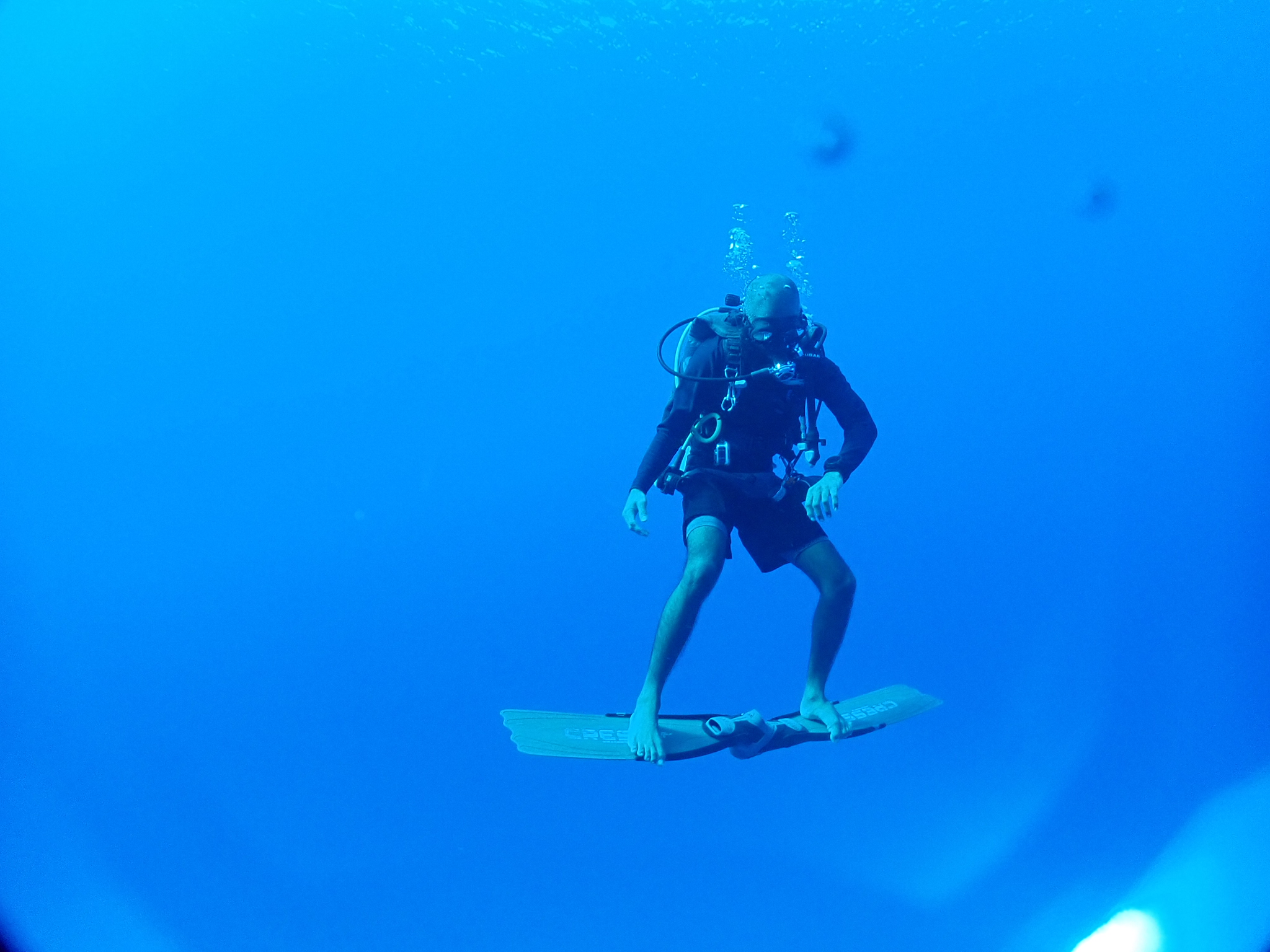
The first glimpse of Pulau Tenggol’s clear blue water tends to make one thing feel certain: you will want to spend as much time beneath the surface as possible. A dive medical clearance guide may not feel as exciting as planning your suite or imagining a turtle encounter, but it is one of the simplest ways to arrive ready for that moment. A little preparation helps protect your wellbeing, supports your instructor or dive team, and keeps your holiday centred on the underwater wonderland ahead.
Why medical clearance matters before scuba diving
Scuba diving places your body under conditions it does not experience on land. Changes in pressure affect the ears, sinuses and lungs, while swimming, equipment handling and sea conditions can demand more effort than expected. Most guests can participate safely, but a health questionnaire helps identify situations where a doctor should offer individual advice first.
This process is not designed to exclude people from the ocean. It is about making sensible choices before you are on a boat, ready to descend over a colourful reef. If you are taking an SSI course, joining a try scuba experience, returning after time away from diving or booking guided dives as a certified diver, you may be asked to complete a diver medical questionnaire.
Your answers determine the next step. Many travellers can sign the form and continue with their plans. If a response flags a relevant condition, recent illness or treatment, you may need written clearance from a qualified medical practitioner before taking part. Dive centres can also request clearance when they consider it appropriate, even where a questionnaire does not make it mandatory.
Dive medical clearance guide: when to speak to a doctor
Be completely open when completing your questionnaire. A dive team needs accurate information to make good decisions, and there is no advantage in minimising a symptom that could become uncomfortable or unsafe underwater. In particular, arrange a medical assessment well before travelling if you have a current or previous condition involving your heart, lungs, ears, sinuses, brain or nervous system.
Asthma, diabetes, epilepsy or seizures, high blood pressure, heart disease, recurrent ear problems, hearing surgery, collapsed lung, chronic respiratory illness and significant anxiety or panic symptoms may all warrant discussion with a doctor familiar with diving medicine. This does not automatically mean you cannot dive. The right answer depends on your diagnosis, treatment, control of symptoms and the type of diving planned.
Recent illness matters too. A heavy cold, blocked sinuses, chest infection or persistent cough can make equalising difficult and may affect breathing comfort. It is usually wiser to postpone a dive than force a descent while congested. The reef will still be there when you are well.
If you have recently had surgery, spent time in hospital, changed medication or recovered from a serious infection, seek tailored advice early. Bring up any new symptoms as well, even if they seem unrelated. Divers who have experienced ongoing breathlessness, chest pain, dizziness, fainting or unexplained fatigue should not treat a holiday dive as a test of whether they feel better.
Pregnancy is another clear reason to sit out scuba diving. Snorkelling, relaxing by the beach and enjoying Tenggol’s island beauty can still be part of a wonderful escape, but compressed-gas diving should wait until after pregnancy and appropriate medical advice.
What a doctor needs to know
A useful clearance appointment is specific. Take the dive medical form supplied for your course or activity, along with a list of medications, relevant medical records and details of any previous diving concerns. Tell the doctor whether you are planning a first experience, training dives in confined water and open water, or recreational boat dives as a certified diver.
It also helps to explain the setting. Tropical diving can involve warmth, boat transfers, carrying equipment and multiple dives across several days. A doctor can then consider your fitness in context rather than simply answering whether you can swim or exercise lightly.
Ask for written clearance if it is required. It should clearly state that you have been assessed and are fit to take part in recreational scuba diving, with any restrictions noted. Restrictions are not a disappointment. They can be a practical route to enjoying the sea with appropriate limits, such as avoiding certain depths, conditions or profiles.
Do not make medication changes solely to complete a dive. Some medicines may be compatible with diving, while the condition being treated, side effects or recent dosage changes may need closer consideration. Your prescribing doctor is the right person to advise, ideally with input from a diving-medicine specialist where needed.
Prepare before you travel to Tenggol
The best time to handle medical questions is before your journey begins, not on the island. Appointments, letters and follow-up tests can take longer than expected, particularly before a holiday. Completing the questionnaire honestly at the time of booking gives you space to organise any clearance without placing your planned dives under pressure.
Keep a digital and printed copy of your signed form or letter. If you wear contact lenses, use an inhaler, manage blood sugar, take prescription medicine or have other practical needs, mention them to the dive team before your first session. Experienced professionals can often help you plan, but they need to know what support or consideration may be useful.
Arrive rested, hydrated and realistic about your schedule. A long journey, late night or dehydration can leave even an experienced diver feeling below their best. Avoid alcohol before diving, eat appropriately and give yourself time to settle into island pace. Premium diving is not about rushing from breakfast to the boat. It is about being present, comfortable and ready to enjoy every detail.
Clearance is only the beginning of safe diving
A medical sign-off does not replace good judgement on the day. Let your instructor or guide know if you feel unwell, nervous, unusually tired or unable to clear your ears. Conditions can change, and so can how your body responds after travel, poor sleep or a busy week.
Listen carefully during the briefing, stay within your training and certification limits, and never feel obliged to continue a dive that does not feel right. Choosing to snorkel, rest on the boat or enjoy the beach for an afternoon is a confident decision, not a missed opportunity.
Certified divers returning after a long break may benefit from a refresher before more ambitious dives. It rebuilds comfort with essential skills and gives the team a clearer sense of what will make your experience enjoyable. For new divers, an introductory session or SSI course creates the same foundation at a pace that feels supportive.
At The One Tenggol Island Resort, the pleasure lies in pairing considered dive preparation with the rare luxury of an island stay shaped around the sea. When the paperwork is handled early and your health questions have clear answers, you can focus on the moments that matter: sunlight moving across the reef, schools of fish flashing through blue water, and the calm satisfaction of returning to shore after a dive well enjoyed.
Give yourself that reassurance before you travel. Your next underwater memory deserves your full attention.