

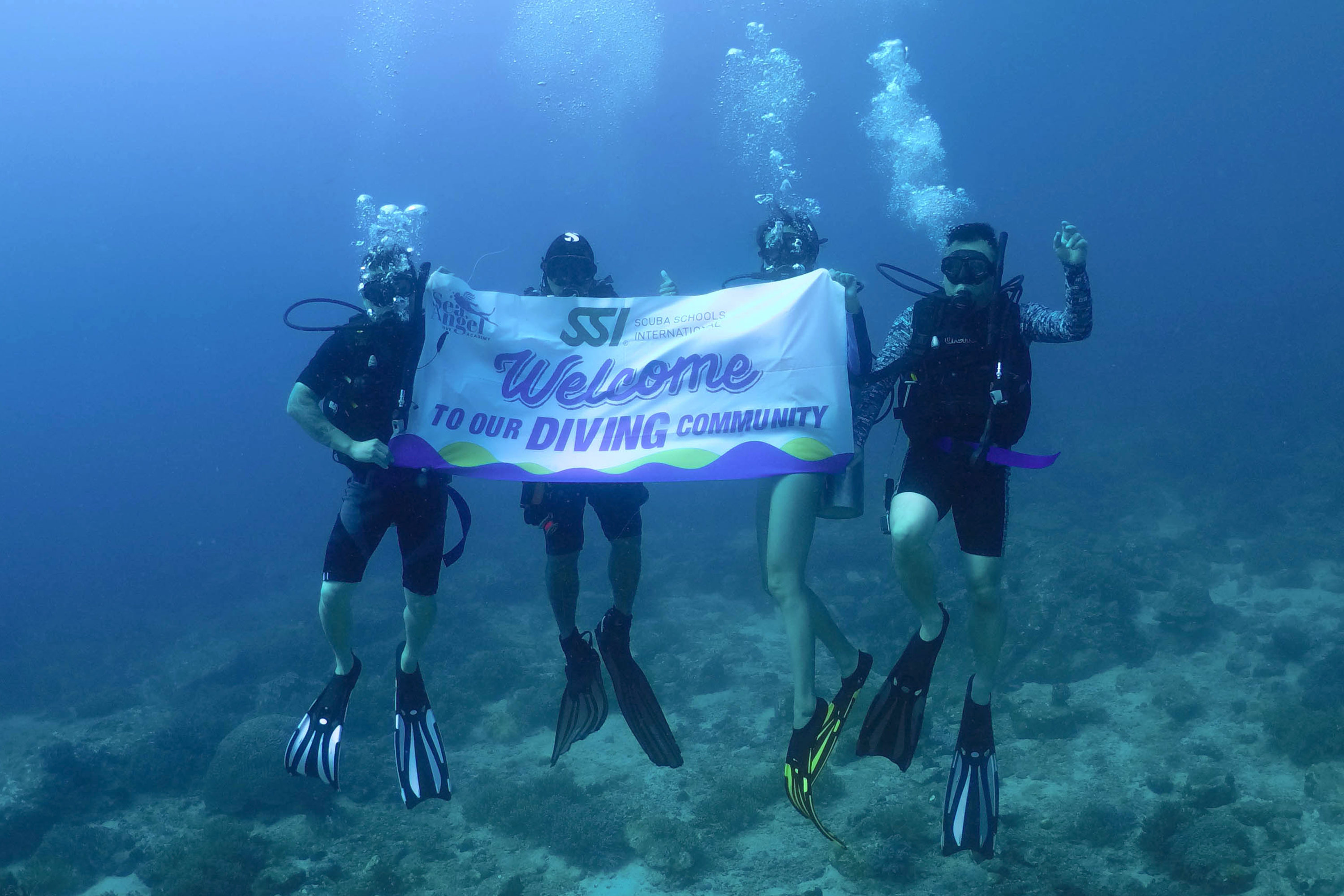
The first glimpse beneath Tenggol’s clear blue surface tends to make one thing obvious: you will want time to do more than just look. If you are wondering how long is open water diver training, the practical answer is usually three to four days. That is long enough to learn the essential skills, practise them calmly, and complete the qualifying dives without rushing the experience.
For many holidaymakers, an SSI Open Water Diver course is the beginning of a very different kind of island escape. It pairs the pleasure of a premium beachfront stay with the confidence to explore reefs, colourful fish and underwater landscapes as a certified diver. The exact timetable can vary with your prior preparation, comfort in the water and sea conditions, but the course is designed to take beginners from their first breath underwater to recognised certification in a considered, supportive way.
How Long Is Open Water Training on Holiday?
Plan for three to four full days on the island. A four-day schedule is often the more relaxed choice, particularly if this is your first experience of scuba diving or you would like plenty of time to enjoy the beach between sessions.
The course has three core elements: independent learning before or during your stay, confined-water skill sessions, and four open-water training dives in the sea. Each part has a purpose. The learning introduces the principles behind safe, enjoyable diving; the confined-water sessions let you rehearse skills in a controlled setting; and the sea dives bring those skills together in the environment you came to see.
Completing the digital learning before travelling can shorten the on-island schedule. Rather than spending valuable daylight hours reading course material, you can arrive ready for a review with your instructor and move into the practical side sooner. Even so, allow room in your itinerary. Diving should feel exciting, never hurried.
A typical three-day plan may involve academic review and confined-water training on day one, followed by two qualifying dives on day two and the final two dives on day three. A four-day programme creates more breathing space between sessions and allows the dive team to work around weather, comfort levels and the natural rhythm of island life.
What Happens During an SSI Open Water Course?
The course begins with knowledge development. You will learn how pressure affects the body and equipment, how to plan a dive with your buddy, and how to care for the marine environment you are visiting. This is not about memorising technical language for its own sake. It gives every new diver a clear understanding of what they are doing and why.
Next comes confined-water practice. Depending on the setting, this may take place in a pool or a calm, shallow section of the sea. Under the close guidance of an instructor, you will become familiar with your mask, fins, buoyancy device and regulator. You will practise clearing water from your mask, recovering a regulator, controlling your buoyancy and communicating with hand signals.
These are deliberately repeated skills. The goal is not to perform them once and move on, but to build calm responses that stay with you when you are out on the reef. A thoughtful instructor will adapt the pace where needed. Some guests feel comfortable almost immediately; others need an extra moment to settle into the sensation of breathing underwater. Both are completely normal.
The final stage is the part most people imagine when they book their course: four open-water dives. These are real sea dives, completed under professional supervision, where you demonstrate the skills you have learned while gaining experience in a natural marine setting. You may descend over coral gardens, watch reef fish move through the water column and discover how peaceful the underwater world can feel once buoyancy clicks into place.
Why Four Days Can Be Better Than Three
A fast course can work well for confident swimmers who have completed their learning in advance and have a tight holiday schedule. Yet an extra day often changes the feeling of the whole experience. There is time to absorb new information, rest between sessions and enjoy your resort rather than moving from lesson to lesson.
This matters because diving asks you to be present. You need to listen carefully, look after your buddy and stay aware of how you feel in the water. A more generous itinerary means there is no need to push through nerves or fatigue merely to meet a timetable.
A four-day course also offers useful flexibility. Tropical sea conditions can shift, even when the forecast looks promising. Your instructor may decide to adjust the order of dives for comfort and safety, or allow extra time for a skill that deserves more practice. On a properly planned island stay, that is not a setback. It is simply part of learning to dive well.
For couples or groups with mixed interests, the longer approach can be especially appealing. While one guest completes training, another can snorkel, relax by the beach or enjoy the slower pace of island living. Once certified, you can plan future dives together with a much wider sense of possibility.
What Can Change the Course Duration?
The three-to-four-day estimate is reliable, but it is not a promise that every guest will follow the same clock. Your experience will depend on a few personal and practical factors.
Your preparation matters first. Completing SSI digital learning before arrival makes a considerable difference, provided you have understood the material rather than simply clicked through it. Your instructor will still review key points and answer questions, but less holiday time is spent in the classroom.
Your comfort in the water matters too. You do not need to be an elite swimmer to learn to dive, but you should be reasonably at ease in the water and able to meet the course’s required swimming and floating assessment. If you have not been in the sea for a while, arriving a day early can help you settle into the island environment before training begins.
Weather and visibility can influence the daily plan. Professional dive teams choose sites and timings with conditions in mind, particularly for beginners. A course built around safety and good visibility is worth more than one squeezed into a fixed schedule regardless of the sea.
Finally, medical fitness should be considered before booking. Scuba diving has specific health requirements, and some medical histories may require a doctor’s approval. Being open about this early protects your travel plans and lets the dive centre advise you properly.
Make Space for the Rest of Your Island Escape
It is sensible to schedule your Open Water course near the beginning of your stay rather than on the final days. After diving, you should observe the recommended wait before flying, so leave a non-diving buffer at the end of your holiday. This is an ideal time for a beachfront breakfast, a snorkelling trip or a final unhurried afternoon by the water.
Pack light, but bring swimwear, sun protection, a reusable water bottle and a sense of patience. Your dive equipment is normally provided for the course, and a good dive team will ensure it fits correctly before you enter the water. What you bring is curiosity and a willingness to learn step by step.
At The One Tenggol Island Resort, that progression can feel less like a course squeezed into a trip and more like the defining experience of it. You begin as a guest looking out across the sea. A few days later, with new skills and a recognised certification, you can look beneath the surface with purpose.
Give yourself four days if your itinerary allows. The extra time is not simply a buffer around training sessions; it is space to become comfortable, notice the small wonders of the reef and let your first dives feel like the beginning of many more.