

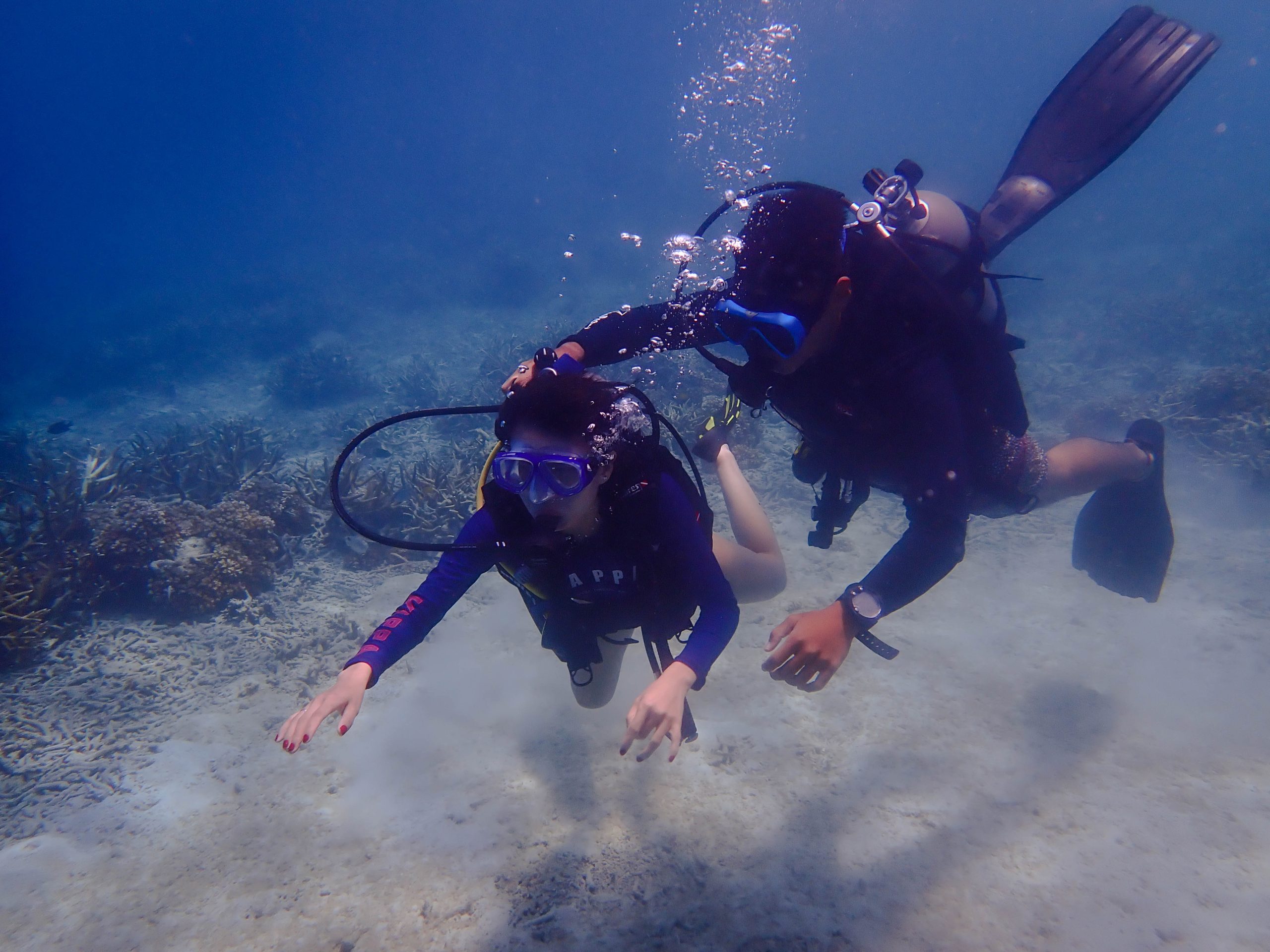
The best island-diving holidays begin before you step onto the boat. Knowing how to pack for island diving means bringing what will keep you comfortable beneath the surface, protected in the tropical sun and effortlessly at ease when the day ends on the beach. The aim is not to fill a suitcase with every possible item. It is to arrive ready for vivid reefs, relaxed boat rides and unhurried evenings by the sea.
On Pulau Tenggol, conditions can shift between bright, still mornings and breezier crossings later in the day. A thoughtful bag gives you the freedom to focus on the experience: spotting a turtle drifting over a coral garden, settling into a new dive course or simply enjoying the quiet of an island escape.
How to pack for island diving: begin with your dive kit
Certified divers often prefer the confidence of using familiar equipment. A well-fitting mask, comfortable fins and a regulator you know inside out can make a meaningful difference to how relaxed you feel underwater. If you own your own dive computer, bring it too – particularly if you are completing several dives across your stay or tracking your personal dive log.
That said, packing your entire kit is not always the best choice. BCDs, regulators and fins take up valuable luggage space, and airlines can be restrictive with weight allowances. If you are travelling light, hiring quality equipment through a professional dive centre is a sensible option. It also means less rinsing, drying and carrying between dives. At The One Tenggol Island Resort, this allows guests to enjoy a polished resort stay alongside properly supported diving, without turning their journey into an equipment haul.
For a warm-water destination, a lightweight wetsuit or shortie may be all you need, depending on your comfort level and the season. Divers who feel the cold easily may prefer a full-length suit for repeated dives, while a rash guard adds protection from sun and abrasion on the boat. Pack a swimsuit that stays secure under dive gear, rather than one chosen only for poolside lounging.
If you are taking a camera underwater, keep it simple. Bring charged batteries, a suitable memory card, a lens cloth and a dry pouch for small accessories. A complex photography set-up can be rewarding, but it can also distract from buoyancy, buddy awareness and the marine life unfolding in front of you. For newer divers, mastering the dive first is always the better investment.
Keep documents and essentials within easy reach
Your most important items should travel in your hand luggage, not at the bottom of a checked case. This is particularly true for dive certifications, prescription medication and electronics.
A waterproof document pouch is useful for keeping your passport, booking details, certification card or digital certification access, travel insurance information and any medical forms together. If you wear prescription lenses, pack a spare pair of glasses as well as contact lenses if you use them. Salt water, sand and boat spray have a habit of finding the one thing you cannot replace easily on an island.
Bring a reusable water bottle for the journey and between dives. Hydration matters more than many holidaymakers expect in tropical heat, especially after time in the sun, salt water and compressed air. A small supply of rehydration sachets can be worthwhile too, particularly for guests who are prone to headaches after travelling or diving.
Dress for the rhythm of island life
Island packing works best when each piece has more than one purpose. Choose breathable, quick-drying clothing that can move from breakfast to the beach, a snorkelling excursion or a casual dinner. Cotton and linen feel beautiful in the heat, but technical fabrics are often more practical when you need something to dry quickly after a boat trip.
You will need fewer outfits than you think. Days tend to follow an easy rhythm of diving, swimming, resting and dining, not formal events. A few light tops, shorts or skirts, swimwear and a comfortable change of clothes for evening will cover most stays. Include one slightly smarter outfit for a special dinner or sunset photographs, but leave heavy fabrics and high-maintenance pieces at home.
For footwear, reef-safe sandals or secure water shoes are useful near jetties, on boat decks and for exploring the shoreline. Add a pair of light trainers if you prefer extra support when walking around the island. Avoid relying on flip-flops alone: they are easy to pack, but not ideal on wet surfaces or when carrying a dry bag and towel.
Even paradise can feel cool after sunset or during a breezy boat transfer. A thin overshirt, light jumper or packable windbreaker earns its place in your bag. It is also useful for protecting shoulders after a day in the sun.
Build a sun and sea care pouch
A tropical island asks more of your skin, hair and eyes than a city break. Rather than packing a large wash bag, create one small, dependable pouch with products you will actually use every day.
Include reef-conscious sunscreen with high SPF, lip balm with sun protection, after-sun care, insect repellent, sunglasses with UV protection and a wide-brimmed hat or cap. Apply sunscreen well before boarding a dive boat, and take care to avoid getting it on your mask seal, as this can cause fogging or slipping.
A few practical extras make a surprising difference: a small first-aid kit, blister plasters, antihistamines if appropriate for you, motion-sickness remedies for boat journeys and personal toiletries in travel-sized bottles. If you are prone to ear discomfort, speak to a qualified medical professional before travelling and pack only products you know are suitable for you. Do not attempt to dive through congestion or an ear problem simply because the water looks inviting.
Use dry bags, not just suitcases
Your main suitcase gets you to the island. Once there, a dry bag becomes the item you reach for every day. A medium waterproof bag is ideal for carrying a towel, sunglasses, phone, sunscreen, a light layer and a change of clothes on boat trips. A smaller waterproof pouch keeps valuables protected from splashes and wet hands.
Pack a microfibre towel if you like having your own for the beach or boat, though it is worth checking what your accommodation provides before adding bulk. A laundry bag is another quiet hero. It separates damp swimwear and dive clothing from the clean items you still want to wear that evening.
For charging cables, camera accessories and adaptors, use a separate zip pouch. Humidity and sand make loose electronics frustrating to manage. Keeping everything together also saves time when you are preparing for an early departure to the dive site.
Pack according to your experience level
Beginners and experienced divers do not need exactly the same things. If you are trying scuba for the first time or joining an SSI course, focus on comfort rather than specialist kit. Bring well-fitting swimwear, sun protection, a rash guard, a reusable bottle and an open mind. Your instructors can guide you through the equipment and skills that matter most.
Certified divers planning several dives may want their own mask, computer, exposure suit and surface marker buoy if they regularly use one. Check airline baggage rules before committing to heavy gear, and ensure any equipment is serviced and functioning before you leave home. An island is the wrong place to discover a perished strap, flat battery or leaking housing.
Travelling with children or non-diving companions? Add snorkelling masks only if you know they fit well, along with familiar sun hats, light cover-ups and entertainment for the quieter hours. The beauty of an island holiday is that everyone can shape the day differently – some beneath the waves, some along the shore, and some moving happily between both.
The island-diving packing list that earns its place
If you are making a final check before leaving, these are the items that most often prove useful:
- Dive certification, insurance details, passport and essential medication
- Swimwear, rash guard or wetsuit, and comfortable clothing that dries quickly
- Mask, dive computer and other personal dive gear you genuinely prefer to use
- Reef-conscious sunscreen, hat, sunglasses, insect repellent and after-sun care
- Dry bag, waterproof phone pouch, reusable water bottle and charging adaptor
- Light evening layer, secure sandals or water shoes, and a small laundry bag
Leave room in your luggage for the things an island stay gives back: salt-softened hair, a slower pace and photographs that may never quite capture the colour of the reef. Pack with care, travel light where you can, and let the underwater wonderland be the part of the holiday that stays with you.