

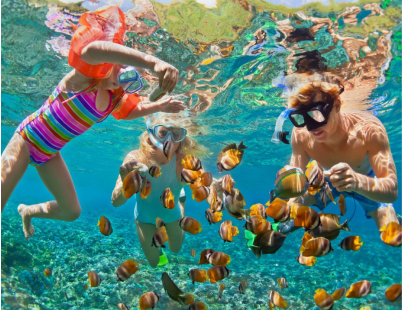
The difference between a dreamy first swim over coral gardens and a frustrating half-hour of mask leaks, fogged lenses and tired legs usually comes down to preparation. If you are wondering how to prepare for snorkelling, the good news is that it is less about specialist skill and more about getting a few essentials right before you step into the water.
Snorkelling should feel effortless. You want to be thinking about sunlight moving across the reef, flashes of tropical fish and that quiet floating sensation, not whether your mask pinches or whether you skipped breakfast and now feel faint. A little planning gives you more comfort, more confidence and far more time to enjoy the underwater world.
How to prepare for snorkelling before your trip
The best snorkelling experiences begin well before the beach. Start with the simple question of where you will be snorkelling, because conditions shape everything else. Calm, shallow water is ideal for beginners and families, while areas with stronger currents, boat traffic or deeper drop-offs may suit more confident swimmers.
It is also worth being honest about your own comfort in the sea. You do not need to be an expert swimmer to snorkel, but you should feel at ease floating, breathing steadily through a snorkel and moving without panic if salt water splashes into the tube. If you are rusty, spending a little time in a pool before your holiday can make a real difference.
Physical readiness matters more than people expect. Snorkelling is relaxed, but it still uses energy, especially in warm sun and open water. Being well rested, hydrated and lightly fuelled will help you stay calm and comfortable. Heavy meals and alcohol are best avoided just before a session, as both can leave you sluggish in the water.
If you wear prescription glasses, think about vision in advance. Some guests are happy without corrective lenses, while others find prescription masks transform the experience. It depends on your eyesight and whether you want to spot finer marine detail. Either way, do not leave that decision until the last minute.
Choose snorkelling gear that fits, not just gear that looks good
A well-fitted mask is the single biggest upgrade you can make. If the seal is poor, water will seep in and your attention will stay fixed on fixing the problem instead of enjoying the reef. The right mask should sit comfortably against your face without painful pressure points. A very tight strap is not the answer – in fact, overtightening often makes leaks worse.
Your snorkel should feel simple to use. Some people prefer a basic traditional snorkel, while others like dry-top versions that reduce water entry at the surface. Neither is automatically better for everyone. If you are new to snorkelling, comfort and ease of breathing matter more than extra features.
Fins are equally personal. Shorter fins are often easier for casual snorkellers because they are less tiring and easier to manage, especially in shallower areas. Longer fins can provide more power, but they also demand more effort and better technique. If your fins rub on land, they will feel worse in salt water, so fit should never be an afterthought.
Clothing depends on conditions. In warm tropical water, many people are comfortable in standard swimwear, but a rash vest or lightweight exposure top offers valuable protection from sun, chafing and occasional stings. For longer sessions, that extra layer can make the whole experience more enjoyable.
Practice the basics before you head out
One of the best ways to prepare for snorkelling is to remove the unfamiliar feeling before you are in open water. If you can, put on your mask and snorkel in a pool or shallow, calm sea first. Get used to breathing slowly through your mouth, putting your face in the water and lifting your head to clear the snorkel if needed.
Many beginners tense up because the breathing feels strange at first. That usually passes within a few minutes. Slow breaths are the key. Fast, shallow breathing tends to create anxiety, while steady breathing helps you relax and float naturally.
Mask clearing is also worth learning. Even experienced snorkellers occasionally get a small leak. Knowing how to lift the bottom of the mask slightly and blow out through your nose gives you confidence and keeps minor issues from becoming major annoyances.
If you are travelling with children or nervous first-timers, give yourselves more time than you think you need. A gentle start in waist-deep water often leads to a much better experience than trying to push straight out to the reef.
Safety is what makes snorkelling feel luxurious
The most enjoyable water experiences are the ones where you feel looked after, unhurried and fully at ease. That is why safety should never be treated as a dull checklist. It is the foundation of a beautiful day in the sea.
Always check the conditions before entering the water. Wind, current, surface chop and visibility can all change the feel of a site. Water that looks inviting from the shore may be harder work than expected once you are in it. If local staff or guides advise against snorkelling at a certain time, trust that judgement.
Never snorkel far from your ability level. Calm shallows with good visibility are far more rewarding than struggling in deeper or rougher water just because it sounds more adventurous. Marine life often thrives in accessible areas, and relaxed snorkellers usually see more because they move more slowly.
It is also wise to snorkel with a companion. Even confident swimmers benefit from having someone nearby, particularly in unfamiliar water. If you are joining a guided experience through a specialist resort or dive centre, listen carefully to the briefing. Local knowledge about entry points, currents and marine conditions is invaluable.
Sun exposure catches many people out because the body stays cool in the water. Use reef-conscious sun protection where possible, and remember that your back, calves and shoulders often get the most direct exposure while floating face down. Reapply when needed and do not underestimate how strong tropical sun can be.
What to bring on the day
Preparation becomes much easier when you keep the day simple. Bring your swimwear, a towel, drinking water, sun protection, a rash vest or cover-up, and dry clothes for afterwards. If you are prone to motion sickness and will be taking a boat to the site, plan for that early rather than hoping for the best once the boat is moving.
A waterproof bag or dry pouch can be useful, but avoid overpacking. Snorkelling days are better when they feel light and effortless. You want what you need, not a pile of gear that turns a beach outing into a logistical exercise.
If you are using hired equipment, arrive with enough time to try everything on properly. This is especially important for families or mixed-ability groups. Rushing through fitting tends to create small problems that become very obvious once everyone is in the water.
How to prepare for snorkelling mentally
A surprising part of snorkelling confidence is mindset. Some guests arrive expecting to be natural from the first minute, and then feel discouraged when breathing through a snorkel feels unusual or a little water enters the mask. That is completely normal.
Treat the first few minutes as an adjustment, not a test. Float, breathe, look down and let your body settle. Once the rhythm arrives, the experience changes quickly. The sea starts to feel less like an environment you are managing and more like one you are enjoying.
It also helps to set the right expectations. Snorkelling is not a race and it is not a performance. The best sessions are slow, observant and unforced. You may see dazzling marine life immediately, or the highlights may appear once you relax and stop kicking so hard. Patience is often rewarded underwater.
For travellers choosing a premium island stay, that sense of ease matters. At a destination such as The One Tenggol Island Resort, preparation is part of the pleasure – knowing your day has been planned with comfort, guidance and access to extraordinary marine life already in mind.
A few mistakes worth avoiding
The most common error is overconfidence. People assume snorkelling is so simple that no preparation is needed, then find themselves tired, sunburnt or unsettled by unfamiliar conditions. The second is the opposite – thinking you need advanced skills to enjoy it. In reality, a calm approach and sensible setup matter far more than athletic ability.
Another mistake is fighting the water. Snorkelling works best when movements are gentle and efficient. If you kick too hard, breathe too fast or tense your shoulders, you use more energy and enjoy less. Good preparation helps you enter the water ready to slow down.
Finally, avoid touching marine life or standing on coral, even in very shallow areas. Reefs are delicate, and the most memorable encounters happen when you observe without interfering. Respect for the environment is part of what keeps these places extraordinary.
A well-prepared snorkelling trip does not feel overplanned. It feels easy, calm and full of anticipation. Get your gear right, understand the conditions, give yourself time to settle, and the sea has a way of doing the rest.