

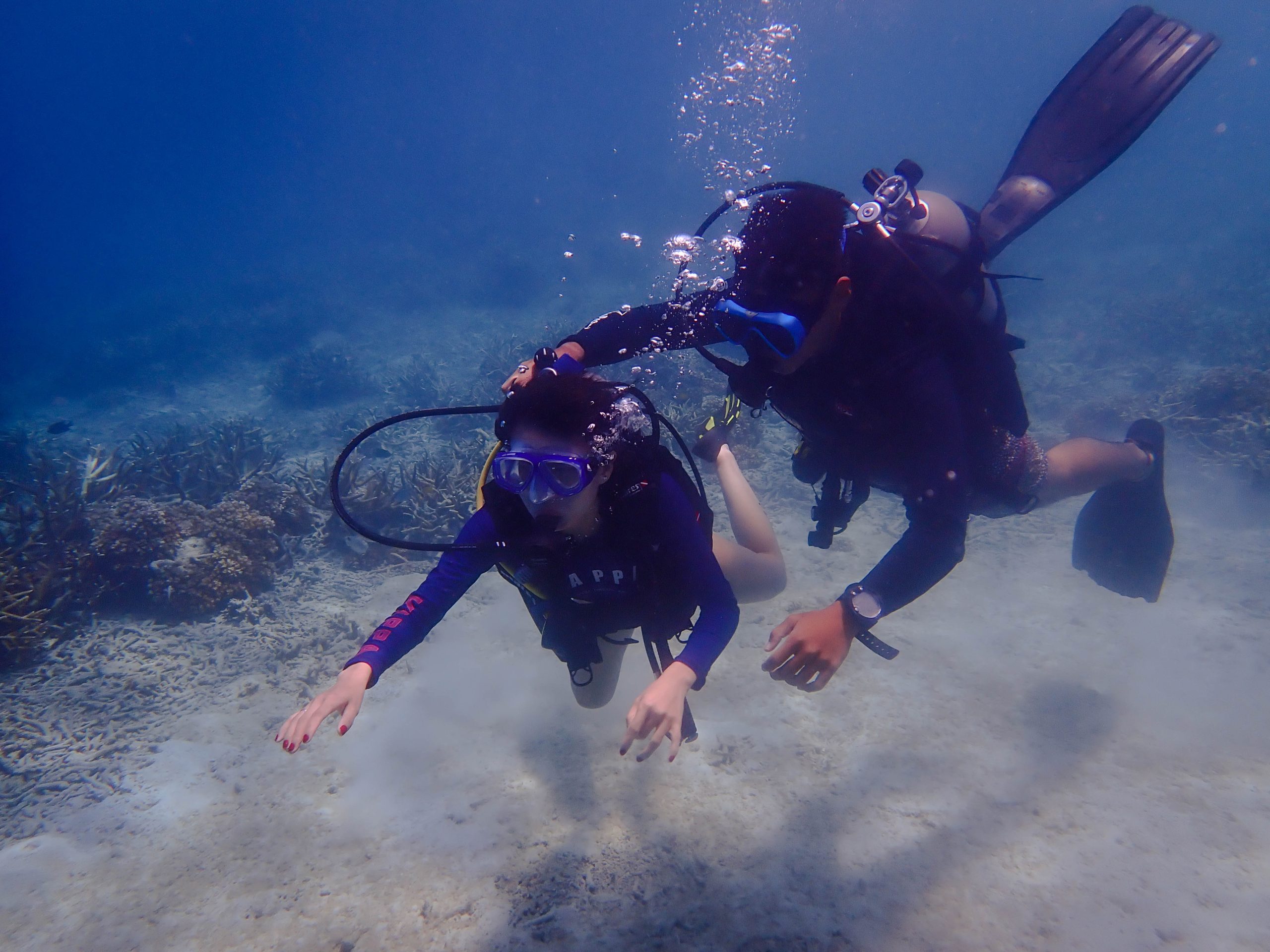
A lot of first-time guests ask the same question just before they book a try dive or beginner course – is scuba safe for beginners? It is a fair question, especially if your picture of scuba diving includes deep water, unfamiliar equipment and the thought of breathing underwater for the first time. The reassuring answer is yes, scuba can be very safe for beginners when it starts in the right setting, with professional instruction, suitable conditions and a pace that respects your comfort level.
That last part matters more than most people realise. Scuba is not about bravado. It is about calm, control and learning a few essential skills well. For beginners, safety is shaped less by courage and more by the quality of supervision, the environment you start in and your willingness to follow the process.
Is scuba safe for beginners in real terms?
Yes, but not by accident. Beginner scuba is designed to introduce people to the underwater world gradually. Reputable dive centres do not simply hand over a tank and send guests into open water. A proper first experience includes a briefing, equipment orientation, simple safety rules, shallow-water practice and close instructor supervision.
This is why many new divers are surprised by how structured it feels. Before you descend, you learn how to breathe slowly, clear your mask, communicate underwater and equalise the pressure in your ears. These are not advanced techniques. They are the basic building blocks that make the experience comfortable and manageable.
For most healthy adults and older children who meet course requirements, beginner diving is considered low risk when those standards are followed. The trade-off is that scuba is not something to rush. If someone wants a thrill without instruction, it is the wrong activity. If they want a guided, well-managed introduction to an extraordinary environment, it becomes much more approachable.
What makes scuba safe for beginners?
Safety in scuba comes from systems, not luck. The strongest protection for a beginner is good training paired with good judgement. An instructor teaches you what to do, but also what not to do – such as holding your breath, descending too quickly or pushing past discomfort.
The dive environment plays a major role too. Calm, clear water with easy entry points and limited current is far better for a first session than a site with surge or reduced visibility. Shallow depth is another advantage. It gives beginners time to settle into breathing, buoyancy and communication without feeling overwhelmed.
Equipment quality is equally important. Well-maintained kit, a properly fitted mask, correct weighting and a BCD that suits your size all help reduce stress. Many beginner nerves are not really about the sea itself. They come from avoidable discomfort, like a leaking mask or fins that do not fit well.
Then there is the human side. Smaller groups and attentive instructors make a noticeable difference. A new diver who feels seen and supported is much more likely to stay calm, ask questions and enjoy the experience.
The most common beginner worries
The fear most people mention first is breathing underwater. It sounds unnatural until you try it. In reality, one of the first lessons in scuba is that the best thing you can do is breathe normally and slowly. Once that rhythm settles, many beginners find the experience unexpectedly peaceful.
The second common worry is panic. This is where training and supervision matter most. A good instructor does not pressure anyone to continue if they are uncomfortable. They break the experience into manageable steps, check in often and keep the pace gentle. Confidence tends to build in stages – first in shallow water, then during a short controlled swim, and only then in open water if appropriate.
Another concern is marine life. The sea can feel mysterious when you are new to it, but beginner dives are not about chasing dramatic encounters. They are about observing the underwater world respectfully and safely. In well-run dive settings, guests are taught not to touch, chase or corner marine life, which protects both the diver and the reef.
Who should take extra care before trying scuba?
Scuba is accessible to many people, but it is not one-size-fits-all. Anyone with asthma, heart conditions, ear problems, recent surgery or other medical concerns should answer the medical questionnaire honestly and seek medical advice where necessary. That is not there to put people off. It is there to make sure your body can handle changes in pressure and activity levels safely.
Comfort in the water also matters. You do not need to be an expert swimmer to begin, depending on the programme, but being at ease in water helps. If you are very anxious in the sea, a pool or confined-water introduction may be a better first step than jumping straight into a full course.
Children can often learn successfully too, provided the programme is age-appropriate and professionally supervised. The key is maturity, listening skills and genuine interest rather than pressure from parents or older siblings.
Choosing the right first experience
Not every beginner should start in the same way. For some, a try-scuba session is ideal. It offers a taste of breathing underwater in a closely managed setting without the commitment of a full certification course. For others, especially those already confident in the water and keen to continue diving on holiday, an entry-level course makes more sense.
This is where the quality of the dive centre becomes central. Look for recognised training standards, patient instructors, clear briefings and an environment that feels organised rather than hurried. Premium does not simply mean more polished facilities. It should also mean thoughtful pacing, good communication and a sense that guest comfort is taken seriously.
At a destination such as The One Tenggol Island Resort, that balance between adventure and reassurance is exactly what makes beginner diving feel more inviting. When the day begins in a calm, well-managed setting and continues with expert guidance, the leap from curiosity to confidence feels much smaller.
How beginners can make scuba safer for themselves
The best first-time divers are not the boldest. They are the ones who listen carefully and stay honest. If something feels wrong, say so. If your ears are not equalising, signal it. If you are nervous, tell the instructor before you enter the water rather than pretending you are fine.
Rest well the night before, avoid excess alcohol, eat lightly and stay hydrated. Small details make a difference to how comfortable you feel. It also helps to let go of the idea that you need to perform. Scuba is not a test of toughness. It is a skill-based experience, and skills improve fastest when you stay relaxed.
Expect the first few minutes to feel unfamiliar. That is normal. Masks, regulators and buoyancy all take a little adjustment. The point is not instant perfection. The point is to become comfortable step by step.
When scuba might not feel safe for a beginner
There are situations where beginner scuba is not the right call on that day. Poor sea conditions, low visibility, strong current, fatigue, congestion from a cold or a rushed schedule can all make a first dive less enjoyable and less suitable. A trustworthy operator will postpone, adapt or recommend a different experience if conditions are not right.
This is one of the clearest signs of a professional dive team. They do not treat every guest the same, and they do not force the sea to fit the timetable. Sometimes the safest and smartest choice is to wait for better conditions or begin with snorkelling, a confined-water session or a refresher-style introduction.
That flexibility should reassure beginners rather than disappoint them. It shows that your experience is being managed with care.
So, is scuba worth trying if you are nervous?
For many people, yes. Some of the most enthusiastic divers started out cautious. Nervousness does not mean you are unsuited to scuba. Often it means you understand that the sea deserves respect. With the right instruction, that respect becomes confidence rather than fear.
There is also a particular kind of reward in learning scuba as a beginner. You are not just ticking off an activity. You are stepping into a quieter world where movement slows, colours sharpen and marine life appears in a way that surface swimming never quite matches. Done properly, it feels less like an adrenaline sport and more like entering another element with expert support at your side.
If you are curious, start with questions, choose a dive centre you trust and give yourself permission to learn gently. The underwater world is at its best when your first encounter with it feels safe, well-guided and genuinely enjoyable.