

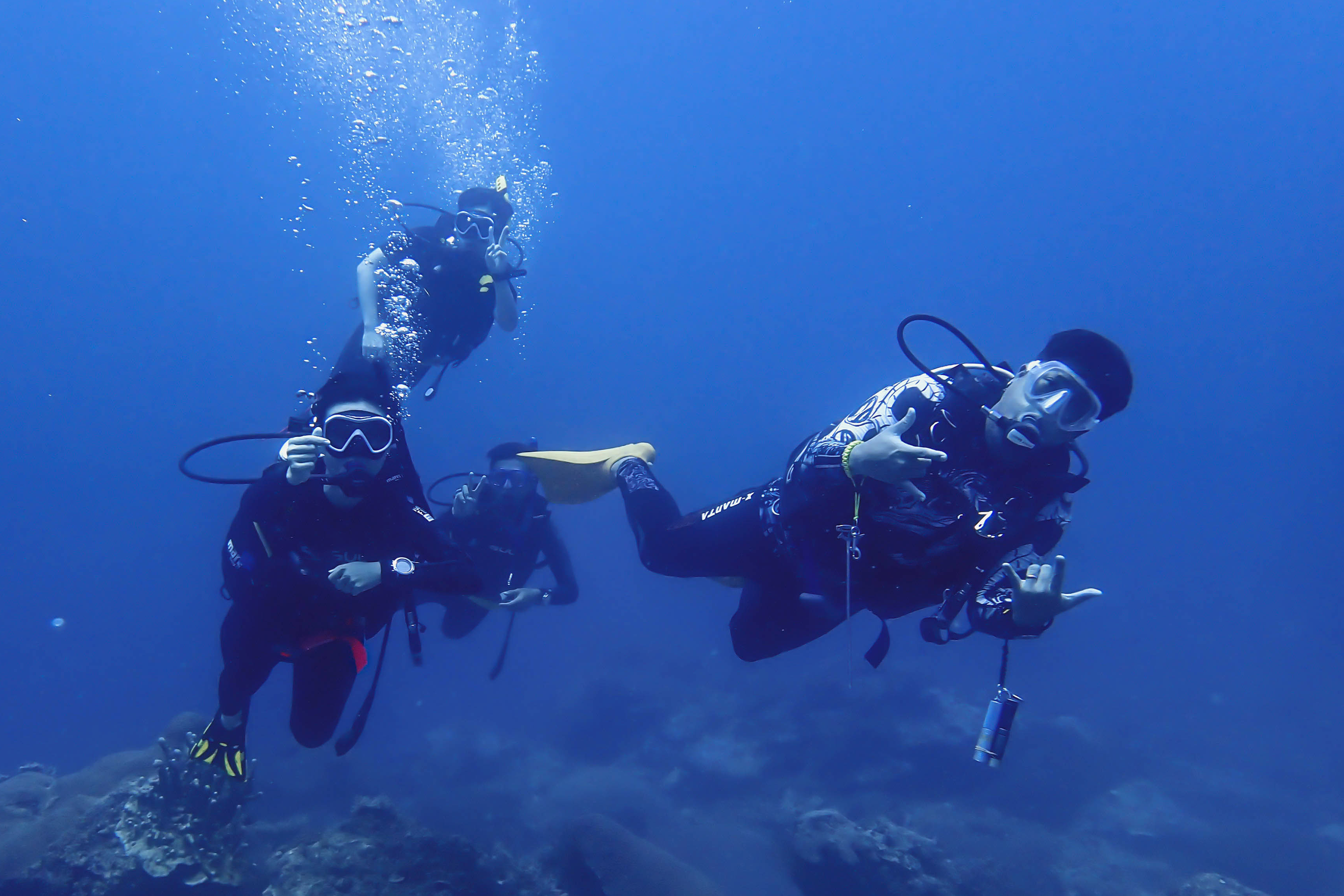
A great dive holiday can change the way you see the sea. This SSI speciality course review is for travellers who already feel the pull of clear water and colourful reefs, but want more confidence, sharper skills and more meaningful time beneath the surface. Rather than simply adding another card to your logbook, the right speciality can make every future descent safer, calmer and far more rewarding.
SSI speciality training is especially appealing when your holiday combines serious underwater adventure with the comfort of a premium island escape. You can spend the morning refining a useful skill, then return to a quiet beach, a well-earned meal and the easy rhythm of island life. It is a compelling balance for couples, friends and families where some guests may be diving while others are snorkelling, relaxing or exploring the coastline.
What an SSI speciality course is really for
An SSI speciality course takes one part of diving and gives it the attention it deserves. Open Water Diver training builds the foundation: how to manage your equipment, communicate with a buddy and dive responsibly. A speciality course then lets you focus on a particular environment, technique or type of adventure.
That focus matters. Many divers discover that their confidence rises not through doing more dives indiscriminately, but through understanding a challenge properly. Perhaps you want to hold a steady position near delicate coral, use less air, navigate with purpose or feel prepared for a deeper recreational dive. A well-chosen course turns vague uncertainty into practical habits.
The experience is usually a blend of digital learning, instructor-led briefing and in-water application. The exact balance depends on the speciality and your existing certification, but the strongest courses never feel like a classroom exercise transported to the sea. They explain why a skill matters, demonstrate it clearly and give you time to practise it under professional supervision.
SSI speciality course review: the value beyond certification
The best reason to take a speciality is not the certificate itself. It is the access it can create. Some dive sites, conditions and guided experiences are more enjoyable when you arrive with relevant training and recent practice. You also become a more capable buddy: calmer when conditions shift, more aware of your surroundings and better able to make sensible decisions.
For holiday divers, Peak Performance Buoyancy is often one of the most valuable choices. Good buoyancy helps you hover without sculling your hands or touching the reef, control ascents more smoothly and conserve energy. It can look deceptively simple when an experienced diver does it well. In reality, it combines breathing, trim, weighting and patient awareness of body position.
Enriched Air Nitrox is another popular option for divers planning several dives over consecutive days. Used within its limits, nitrox can offer longer no-decompression time at certain depths. Yet it is not a shortcut to diving deeper or ignoring good planning. The course is worthwhile for those who enjoy multi-dive itineraries and want to understand gas analysis, oxygen exposure and conservative choices with confidence.
Deep Diving can be equally attractive, particularly for certified divers who are curious about sites beyond standard recreational depths. This speciality should be approached with respect. Depth can alter colour, increase gas consumption and narrow the margin for poor planning. A thoughtful course teaches preparation, awareness and control, rather than presenting deep water as a badge of bravado.
Underwater Navigation rewards divers who want to feel less dependent on following a guide. Learning to use natural references, a compass and a clear search pattern makes dives feel more intentional. It is also surprisingly satisfying: the moment you surface close to the planned point after navigating independently is a quiet but genuine achievement.
Choosing the course that suits your holiday
There is no single best speciality. Your ideal choice depends on your experience, your comfort in the water and the sort of diving you hope to enjoy next. A newly certified diver may gain more from buoyancy and navigation than from pursuing depth. A photographer might benefit enormously from buoyancy control before investing in advanced camera techniques. A confident regular diver planning a liveaboard or an active dive itinerary may find nitrox immediately useful.
Be honest about where you hesitate. If your mask clears are fine but you tend to drift upwards while watching marine life, buoyancy is likely the better investment. If you love the idea of planning dives but feel lost without a guide, navigation offers a practical route forward. If you are returning after a long break, a refresher may be more appropriate before enrolling on a speciality course. Training works best when it meets you where you are.
It is also worth considering the pace of your trip. A course needs time and attention, even in paradise. Packing too much training into a short stay can make the holiday feel rushed. If your priority is relaxation with a little structured adventure, choose one speciality and leave room for fun dives, snorkelling and unplanned afternoons by the sea.
What makes the instruction worth your time
A course name alone does not guarantee a memorable learning experience. The quality comes from clear instruction, sensible group sizes and an environment that supports the topic being taught. You should feel comfortable asking questions, repeating a skill and taking a moment to reset if something does not click first time.
A strong instructor will adapt the session to your needs without diluting the standards. They will explain the plan before entering the water, check that your equipment is correctly configured and connect each exercise to real diving situations. They will also be willing to say when conditions are not right. That judgement is a mark of professionalism, not a disappointment.
For an island-based course, location adds another dimension. Calm bays can be ideal for careful skills practice, while healthy reefs make the reward immediate. When you are learning to hover, adjust trim or navigate, seeing reef fish move through clear water gives the lesson a sense of purpose. Marine awareness becomes part of the experience rather than an afterthought.
At The One Tenggol Island Resort, the appeal is this combination of dedicated SSI training, guided diving and an elevated beachfront stay. It allows guests to build skills in a setting that still feels like a proper escape, rather than a purely functional training stop.
The trade-offs to consider before booking
Speciality training asks more of you than a casual guided dive. There may be e-learning to complete, equipment considerations, knowledge reviews and performance requirements. If you are travelling with non-divers, agree on the schedule beforehand so nobody feels that the holiday has become entirely course-led.
Cost is another sensible consideration. A speciality course can be excellent value when it gives you a skill you will use for years, but less so if it is chosen only because it happens to be available. Ask what is included, whether equipment hire is required, how many dives are involved and whether you need any prerequisite certification. Clear answers make planning easier and prevent surprises.
Weather and sea conditions can also shape the experience. Island diving is led by nature, and a responsible dive centre may adjust sites or timings to keep the training appropriate. Flexibility is part of travelling well in a marine destination. The alternative – forcing a lesson into unsuitable conditions – serves nobody.
Getting more from your speciality course
Arrive rested, hydrated and willing to learn slowly. Review any digital material before the briefing, rather than trying to absorb it between breakfast and the boat. Bring the equipment you normally use if possible, especially your mask, fins and dive computer, because familiarity makes it easier to focus on the new skill.
During the course, resist the urge to perform for the instructor or compare yourself with other divers. Small adjustments often produce the biggest improvements. A change in weighting, a slower breathing pattern or a more deliberate fin movement can transform how you feel underwater. Ask for direct feedback, then give yourself the time to apply it.
After certification, use the skill soon. Book a relaxed fun dive and practise without the pressure of assessment. If you completed buoyancy training, spend part of the dive hovering above a sandy patch and observing your trim. If you learned navigation, plan a simple out-and-back route with your buddy. Skills stay useful when they become part of your ordinary diving, not a memory from one excellent holiday.
The right SSI speciality does more than fill an afternoon between beach time and dinner. It gives you a fresh reason to look beneath the surface with care, confidence and curiosity – and that feeling is worth carrying into every dive that follows.