

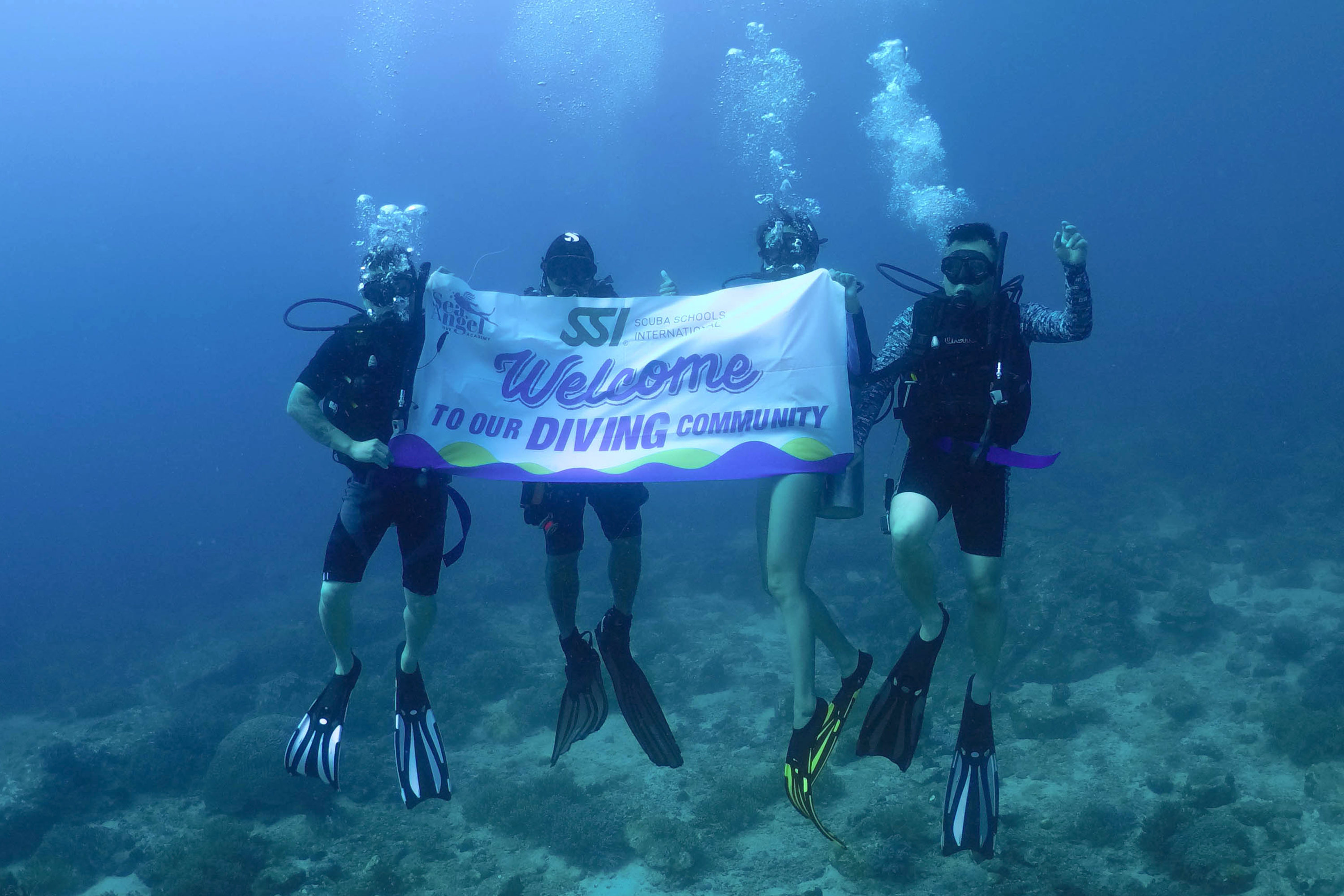
You do not need years of experience, your own gear, or a long list of certifications to discover the underwater world. If you are wondering can beginners do scuba on holiday, the short answer is yes – and for many travellers, a tropical escape is exactly where that first breath underwater becomes a favourite memory.
The key is not simply choosing any beach and booking any boat. A beginner’s first scuba experience is shaped by the setting, the quality of instruction, and how relaxed you feel before you even enter the water. When those pieces come together, learning to scuba while on holiday can feel less intimidating and far more magical than you might expect.
Can beginners do scuba on holiday safely?
Yes, provided the experience is designed for first-timers. Scuba is not something to approach casually, but it is far more accessible than many people assume. Reputable dive centres offer structured introductory sessions and beginner-friendly courses that are specifically built for guests with no previous experience.
A good first experience starts on land. You should be given a clear briefing, a proper equipment introduction, and simple skills to practise before moving into deeper water. That pace matters. It replaces nerves with confidence and helps you enjoy the moment rather than spend the whole time worrying whether you are doing it correctly.
Safety also depends on conditions. Calm, clear water makes a remarkable difference for new divers. So does close supervision from experienced professionals who know how to read both the sea and the person in front of them. For beginners, the best dive is rarely the most dramatic site. It is the one that feels comfortable, controlled and beautifully manageable.
Why a holiday can be the best time to try scuba
There is a reason so many people first try diving while away. On holiday, you are already in a different rhythm. You are sleeping more, rushing less, and usually spending time close to the sea. That change in pace helps, especially for anyone who feels uncertain about doing something new.
A scenic island setting also turns the experience into more than a lesson. Your first dive is not just about skills. It is about floating over coral gardens, spotting reef fish for the first time, and realising the underwater world is quieter, calmer and more mesmerising than you imagined. In the right destination, scuba becomes part of the holiday itself rather than a separate challenge to tick off.
For couples, families and groups of friends, it can be particularly rewarding because everyone starts with the same sense of anticipation. Even if only one person plans to continue diving later, trying it together often becomes one of the defining moments of the trip.
What beginners should expect from a first scuba experience
Most beginner sessions begin with a straightforward explanation of how the equipment works, how to breathe through the regulator, and how to communicate underwater. You will also learn a few basic techniques, such as clearing your mask and equalising pressure in your ears.
After that, you usually begin in very shallow water or a controlled area where you can get used to breathing below the surface. This part often surprises people the most. The skill is not about being exceptionally sporty or naturally fearless. It is mostly about staying calm, listening carefully, and allowing yourself a few moments to adjust.
Once you feel comfortable, the instructor leads you on a gentle underwater exploration. For a beginner, even a modest depth can feel extraordinary. Colours sharpen, sounds fade, and the sea takes on that suspended, dreamlike stillness divers remember for years.
If you enjoy it, your introductory session can also become a stepping stone to a recognised training course. That means a holiday can begin with curiosity and end with a new qualification.
Who scuba suits – and when it may not
Scuba is suitable for many beginners, but it is not identical for everyone. Confident swimmers often settle more quickly, but you do not need to be an elite swimmer to try an introductory dive. What matters more is basic comfort in the water, willingness to follow instructions, and honesty about any worries or health concerns.
Some travellers need a little extra reassurance. If you feel anxious in deep water, dislike having your face submerged, or become unsettled in open environments, that does not automatically rule scuba out. It simply means your first experience should be patient, well supervised and free from pressure. A good instructor will never rush that process.
There are also times when it is better to pause. Certain medical conditions may require advice before diving, and very young children may be more suited to snorkelling until they meet the minimum age for beginner scuba programmes. If you are pregnant or dealing with ear, chest or respiratory issues, proper guidance matters.
Choosing the right place for beginner scuba on holiday
Not every dive destination feels beginner-friendly, even if it is famous. Some locations are best known for strong currents, advanced drift dives or deeper sites that appeal more to certified divers. For a first experience, the ideal setting is gentler and more welcoming.
Look for destinations with warm water, good visibility and easy access to sheltered sites. Those details are not luxuries for beginners. They directly affect comfort and confidence. Warm water helps you relax, clear visibility reduces disorientation, and calm entry points make the whole experience smoother.
Just as important is the dive centre itself. You want professionals who are not only qualified but attentive, organised and used to welcoming first-timers. The finest beginner experiences feel personal. There is time for questions, time to settle in, and time to enjoy the water without feeling hurried from one stage to the next.
At a destination such as The One Tenggol Island Resort, that balance matters. Guests can move from beachfront comfort to structured underwater experiences in one setting, which takes away much of the friction that can make first-time diving feel daunting. Instead of juggling transfers, unfamiliar operators and packed day-trip schedules, the experience feels more curated from start to finish.
Intro dive or full course?
This depends on what kind of holiday you want. If you are simply curious and would love to see whether scuba suits you, an introductory or try-scuba experience is often the right starting point. It gives you a safe, guided taste of the underwater world without committing your whole trip to training.
If you already suspect diving could become a lasting interest, a beginner certification course can be a superb use of your holiday. You combine learning with a memorable destination, and your practical sessions take place in the sort of waters that remind you why you wanted to do it in the first place.
There is a trade-off, of course. A course asks for more time, attention and energy than a single discovery session. If your trip is short and you also want long beach mornings, snorkelling, and leisurely dinners, you may prefer to keep scuba simple this time and return for certification later.
Common beginner worries, honestly answered
The most common fear is breathing underwater. In practice, this is usually the first concern to fade. Modern equipment is designed to make breathing feel steady and natural, and the initial training is there to help you trust that process.
Another worry is panic. This is where good instruction changes everything. Beginners are not expected to know how to respond instinctively. They are taught, supervised and supported throughout. The atmosphere should feel calm, never macho or dismissive.
Some guests are concerned about seasickness or tiredness. That can be relevant if your dive involves a boat trip, especially after a late night or in choppier conditions. This is one reason resort-based diving in a well-run destination can be appealing. The day feels more comfortable when it starts with ease rather than a rushed excursion.
And then there is the concern about seeing something frightening. In reality, beginner-friendly reef dives are usually full of beauty rather than drama – bright fish, coral formations, perhaps a turtle gliding by if you are lucky. The sea has its wild side, but your first experience should feel welcoming, not overwhelming.
So, can beginners do scuba on holiday and enjoy it?
Absolutely – if they choose the right environment and the right team. Beginner scuba should feel exciting, but also reassuring. You are not proving anything. You are opening the door to a new way of seeing the sea.
For many travellers, that first dive becomes the moment their holiday shifts from beautiful to unforgettable. One morning you are standing on a warm shore, slightly unsure. A little later, you are below the surface watching an underwater world move at its own quiet pace. If that sounds like your kind of escape, there is every reason to give it a try.