

The first time a turtle rises through clear blue water and glides past at eye level, the sea feels less like scenery and more like a living world you have briefly been invited into. That is the real value of a guide to marine wildlife encounters – not simply seeing more, but knowing how to watch with care, confidence and respect.
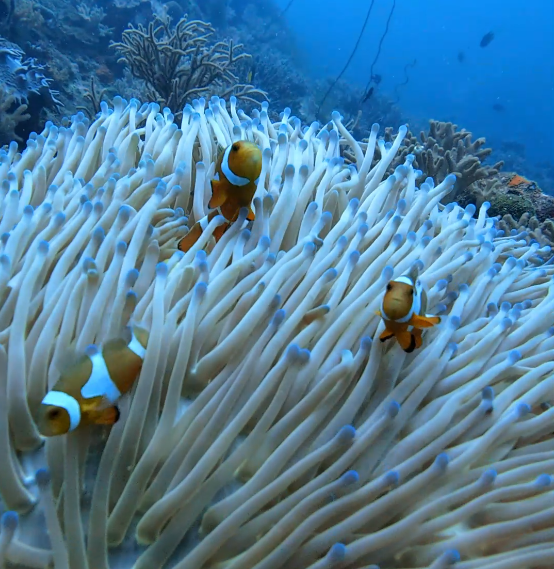
For travellers choosing an island escape, marine life is often the moment that stays with them longest. A reef shark slipping across the edge of a drop-off, a school of barracuda turning in silver formation, clownfish darting through anemones, or a calm drift above coral gardens can transform a holiday into something unforgettable. Yet the best encounters rarely come from luck alone. They come from good timing, the right conditions, patient observation and hosts who understand both the reef and the people entering it.
What makes marine wildlife encounters memorable
The finest wildlife experiences are not always the closest or most dramatic. Very often, they are the most natural. Watching a ray continue feeding because you approached quietly is more rewarding than chasing it for a photograph. Seeing reef fish behave normally around you means you have become part of the background rather than a disturbance.
That matters whether you are snorkelling for the first time or arriving with a dive log full of tropical trips. Marine animals respond to movement, noise and buoyancy. If the water is busy, visibility is poor or a group enters too fast, wildlife may disappear before anyone really notices it. When conditions are calm and the pace is measured, even a short session can reveal far more than expected.
This is why destination choice plays such a large part in the experience. Healthy reefs, lower crowd levels and access to guided snorkelling or diving all improve your chances. Around Pulau Tenggol, for example, the appeal lies in that combination of island seclusion, vibrant reef life and the chance to enjoy the water from both a comfort-led resort setting and a specialist dive centre environment.
A practical guide to marine wildlife encounters
If your goal is to enjoy marine life well, start before you ever enter the water. Good encounters begin with preparation. That does not mean turning a relaxing holiday into a military exercise. It simply means making a few smart decisions that improve comfort, safety and the quality of what you see.
Choose the right activity for your confidence level
Snorkelling offers an accessible introduction to reef life and is ideal for families, couples and non-divers who want to see tropical fish, coral structures and surface-active species in clear shallows. It is often the easiest way to feel at ease in the sea, especially if you prefer a gentle pace.
Scuba diving gives you more time at depth and access to a wider range of habitats. That can mean stronger chances of seeing larger pelagic species, reef sharks, turtles resting under ledges or macro life tucked into coral bommies. The trade-off is that diving asks more of you. Comfort with equipment, buoyancy control and calm breathing all shape the experience.
For beginners, a try-dive or guided introductory session can be the best middle ground. You still get the thrill of underwater discovery, but with close support and a more structured pace.
Time your session around conditions, not just convenience
Many guests understandably want to head out when it suits the rest of the day. Wildlife, however, keeps its own timetable. Early sessions often bring gentler light, calmer seas and more active reef behaviour. Midday can work beautifully in clear water, particularly for snorkelling, but brighter conditions may also bring more surface traffic and harsher glare.
Season, tide and weather matter too. Visibility shifts. Currents change the feel of a site completely. A sheltered bay may be ideal for new snorkellers one day and less comfortable the next. This is where local guidance becomes especially valuable, because the same reef can offer very different experiences depending on timing.
Wear the right gear and keep it simple
Nothing distracts from marine life quite like fussing with a leaking mask or ill-fitting fins. Basic comfort is not glamorous, but it makes a noticeable difference. A properly fitted mask, fins suited to your size and, where needed, a rash vest or exposure layer help you stay relaxed and focused on the surroundings.
If you are diving, make sure your weighting is correct. Too much lead often leads to poor buoyancy, more contact with the reef and more effort underwater. Less effort usually means more awareness, and more awareness is when the reef starts to reveal itself.
How to spot more wildlife without disturbing it
People often assume the secret is moving towards the animal quickly before it disappears. In practice, that approach usually achieves the opposite. Marine life rewards stillness.
Slow down and let the reef come to you
Pause beside a coral outcrop and watch for a full minute. Look into the blue, then back at the reef face, then into sandy patches nearby. What first seems quiet often turns lively once your eyes adjust. Shrimp begin to flicker from crevices. Gobies settle. Butterflyfish reappear. A turtle may emerge from behind a bommie you nearly finned past.
The same principle applies in open water. Fast swimming can create noise, bubbles and abrupt movement patterns that put animals on alert. A gentler pace looks less threatening and keeps your breathing steadier.
Watch behaviour, not just species
A marine wildlife encounter becomes richer when you notice what the animal is doing rather than simply identifying it. Is the turtle travelling, feeding or surfacing? Are the fusiliers tightly schooling because a predator is nearby? Is a cleaner wrasse working over a larger fish at a cleaning station?
Behaviour tells a story. It also helps you predict the next moment. If you learn to recognise feeding areas, shelter points and cleaning zones, you stop scanning the reef randomly and start reading it.
Respect distance
A good rule is simple: if your presence changes the animal’s direction, speed or posture, you are too close. That applies to turtles, rays, reef sharks and smaller creatures alike. Chasing never improves an encounter. It shortens it.
For photography, this can feel frustrating, especially when visibility is excellent and the scene looks perfect. But the better image often comes from patience. Let the wildlife choose whether to close the gap.
Reef etiquette matters more than many travellers realise
The difference between a premium marine experience and a careless one often comes down to etiquette. Beautiful reefs are resilient in some ways and remarkably fragile in others.
Never stand on coral, even in shallow water that appears easy to manage. Avoid touching marine animals. Keep fin kicks controlled, especially near the seabed. Secure anything loose before entering the water. Even a small action, repeated across many visitors, can damage habitats that took years to grow.
Sunscreen choice matters as well, though no product removes the need for care in the water. Cover-ups, rash vests and thoughtful timing can reduce exposure while limiting what washes into the sea. Responsible wildlife encounters are not about reducing pleasure. They are what preserve it.
The guide to marine wildlife encounters for families and first-timers
For first-time ocean guests, confidence is often the deciding factor. Children, occasional swimmers and nervous adults usually enjoy marine life most when the experience feels supported rather than rushed. Calm briefings, easy entry points and a guide who can point out species without overwhelming the group all make a major difference.
Shorter sessions are often better than ambitious ones. It is wiser to spend forty comfortable minutes in clear, sheltered water than to push on for longer and end up tired, cold or distracted. Positive first experiences build trust in the water and usually lead to more adventurous outings later in the trip.
This is where a resort with genuine marine expertise has an advantage. Guests can ease into snorkelling, progress into guided dives or even continue with formal training, while still returning to a comfortable room, a beachfront setting and the slower pleasures of island life above the surface.
What to expect – and what not to force
Wildlife is never a stage performance, and that unpredictability is part of the appeal. Some days bring larger sightings. Other days are all about texture and detail – juvenile reef fish, soft coral movement, tiny nudibranchs or the changing colour of the seabed in afternoon light.
If you arrive expecting a guaranteed checklist, you may miss what is right in front of you. If you arrive ready to observe, the reef tends to offer more. The best marine encounters feel slightly unscripted. They give you the sense that you witnessed something on the sea’s terms, not your own.
For travellers planning a stay that balances comfort with underwater adventure, that is exactly the kind of luxury worth seeking. Not noise, not crowds, not a rushed box-ticking excursion, but the chance to enter an underwater world with the right guidance and enough time to appreciate it properly.
Choose your sessions well, move gently, trust local expertise and keep your expectations open. The sea rarely rewards impatience, but it often rewards attention.