

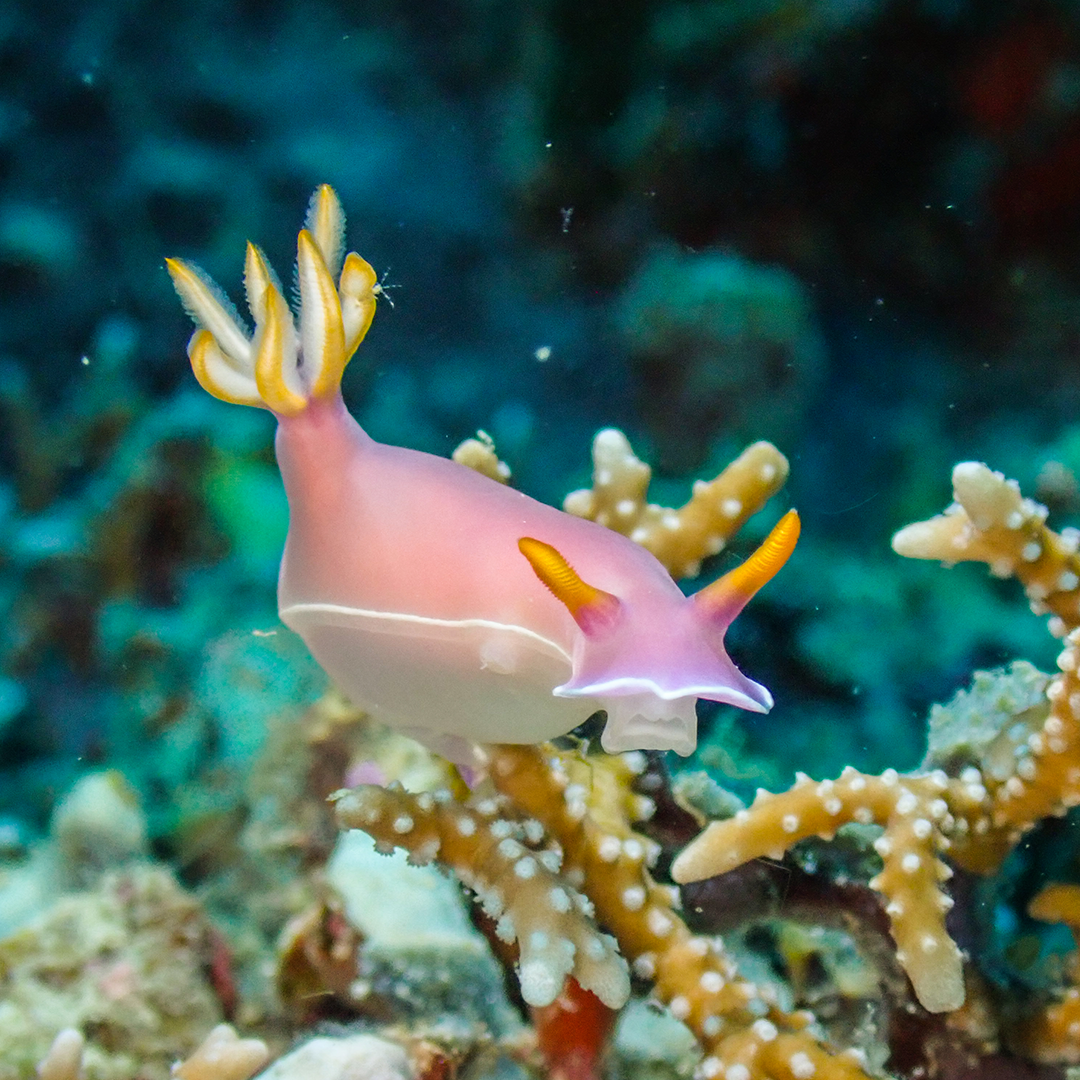
A child hovering calmly above a coral garden, mask full of wonder, can become the moment a family holiday is remembered for years. Yet parents understandably have children diving questions before they say yes to an underwater adventure: Are they old enough? Is it safe? Will they be frightened? And can the rest of the family enjoy the day too?
The right answer is never simply “yes” or “no”. It depends on the child, the training standard, the conditions and the quality of supervision. With patient instruction, well-maintained equipment and a setting suited to young guests, scuba diving can be an extraordinary way to introduce children to the living world beneath the surface.
When can children start scuba diving?
Many recognised junior scuba programmes welcome children from age 10, while younger children may be able to take part in carefully controlled pool-based experiences or introductory water activities. The exact minimum age, depth limits and course options depend on the training agency and the activity being offered.
Age is only the starting point. A child should be comfortable in the water, able to listen and follow instructions, and genuinely interested in trying the experience. There is a meaningful difference between a child who is excited to learn and one who feels pressured because parents or older siblings are divers.
Before booking, consider how your child responds when things feel unfamiliar. Can they stay calm when water enters their mask? Do they communicate clearly when nervous? Are they happy to practise a skill more than once? None of this requires them to be fearless. Good junior training is designed to build confidence gradually, but willingness matters.
Is swimming ability essential?
A reasonable level of swimming confidence is strongly recommended, although specific requirements vary by programme. Children do not need to be competitive swimmers. They do need to feel at ease moving through water, floating and putting their face below the surface.
For a first experience, snorkelling together beforehand is often the ideal introduction. It lets children become familiar with masks, fins and breathing slowly while they watch fish in bright, shallow water. For some, that is enough for now. For others, it sparks an immediate curiosity about what lies below.
Are children safe while diving?
Scuba diving has inherent risks, which is why a professional programme is not simply a shorter version of an adult excursion. Junior divers are taught within age-appropriate limits, with close instructor supervision and a focus on simple, repeatable skills. Responsible operators also assess sea conditions and may change or postpone plans when the water is not suitable.
Safety begins well before the boat leaves shore. A reputable dive centre will ask about medical history, explain the activity in clear language, check that equipment fits correctly and make sure children understand the hand signals they will use underwater. Parents should expect this process to take time. A rushed briefing is not a premium experience, whatever the view may be.
Underwater, the priority is calm observation rather than covering a long distance or reaching a particular depth. A gentle reef dive can be full of magic: a clownfish peering from its anemone, a turtle gliding past, or a school of silver fish turning together in the sunlight. There is no prize for doing more than a young diver is ready for.
What about ears, health and confidence?
Equalising ear pressure is one of the most important skills for any diver, especially children. They should never be encouraged to force it. If their ears do not feel comfortable, the correct response is to pause, ascend slightly and try again only if they are pain-free.
A recent cold, blocked nose, ear infection, asthma concerns or other medical conditions can affect whether a child should dive that day. Be open during the medical questionnaire and seek professional medical advice when requested. Missing one dive is far better than turning a holiday memory into an uncomfortable experience.
Confidence can change from morning to afternoon, too. A child who enjoyed the briefing may decide they would rather snorkel once they see the open water. Treat that as good judgement, not a failure. The best family dive days leave children feeling proud and eager for the next adventure, rather than overwhelmed.
Children diving questions to ask before you book
The most useful questions are practical. Ask whether the experience is designed specifically for junior participants, how many children each instructor supervises, and whether the group will be mixed with adult divers. Smaller groups generally allow more personal attention, although the best arrangement depends on your child’s experience and confidence.
Ask about the likely dive sites, transfer times and conditions. A spectacular site that requires a long, bumpy boat journey may not suit every family, particularly younger children who are prone to seasickness. Sheltered bays, easy entry points and shallow reefs often create a much more enjoyable first encounter with scuba.
It is also worth asking what happens if your child chooses not to continue. A thoughtful operator will have a clear alternative, whether that is snorkelling, time on the beach or a revised plan with an instructor. Flexibility is part of good hospitality, especially when children are learning something new.
Finally, ask how the team introduces marine life and reef care. Diving is more rewarding when children understand that they are visitors in a fragile ecosystem. They should learn to keep their distance from turtles and reef creatures, maintain careful buoyancy and never touch coral, even when it looks like an underwater garden waiting to be explored.
What should children wear and bring?
A professional dive centre should provide correctly sized scuba equipment, including a mask, fins, buoyancy device, regulator and wetsuit where needed. Fit is particularly important for children. A mask that leaks or fins that rub can distract from the entire experience, so allow time for adjustments before entering the water.
For the day itself, pack reef-safe sun protection, a towel, dry clothes, a reusable water bottle and a light layer for the boat journey. A familiar snack can also help after the dive, when young adventurers are often suddenly hungry.
Parents may be tempted to buy equipment before a first session, but there is rarely a need. Trying professionally fitted kit first helps establish what feels comfortable and whether scuba is an interest your child wants to pursue. A well-fitting personal mask can be a lovely later investment, once they know what style suits their face.
Making a family diving holiday work
The smoothest family holidays do not make every hour about scuba. One child may be ready for an SSI junior course while another would rather snorkel from the shore. One parent might want an early morning dive, while the other dreams of a quiet breakfast with sea views. A resort-based experience works well because everyone can choose their own pace without feeling separated from the holiday.
Build in unstructured time between dives. Children need space to rest, swim, spot hermit crabs by the beach and talk about what they saw. Their favourite part may be the dive itself, or it may be the boat ride, the post-dive juice, or seeing a reef fish they had only encountered in a book.
At The One Tenggol Island Resort, the appeal is not simply access to remarkable waters around Pulau Tenggol. It is the chance to pair guided underwater discovery with the ease and comfort of a beachfront island stay, so divers and non-divers can share the same sense of escape.
Should parents dive with their child?
If a parent is certified, calm and comfortable in the water, sharing the experience can be deeply reassuring. However, the instructor remains responsible for the training and safety of the junior participant. Parents should follow the instructor’s guidance, avoid adding pressure and resist the urge to turn the dive into a photo shoot.
If parents are not divers, that need not prevent a child from taking part in an appropriate introductory programme. Watching the briefing, meeting the instructor and being ready with encouragement afterwards can be just as valuable. Often, a child’s enthusiasm becomes the family’s invitation to try snorkelling or begin a course together later.
A child’s first breaths underwater should feel unhurried, supported and full of possibility. Choose the experience carefully, listen to their cues, and let the reef set the pace. The ocean will still be there tomorrow, ready for the next small, confident step.