

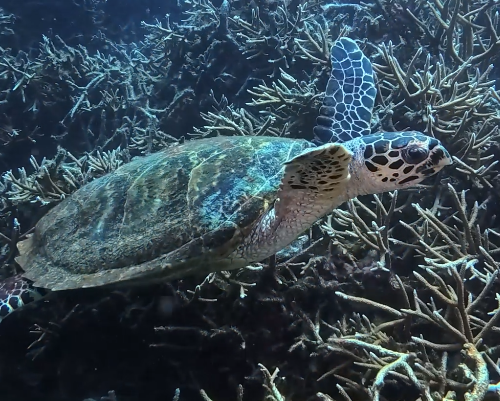
A green turtle rises slowly from the blue, a clownfish disappears into its anemone, and beneath you an entire reef is quietly at work. Learning how to protect coral reefs is not about making a holiday feel restrictive. It is about ensuring these remarkable encounters remain possible – for your next visit, and for the generations of travellers who follow.
Coral reefs may look like colourful underwater rock gardens, but they are living ecosystems built by tiny animals over decades, even centuries. They shelter fish, stabilise coastlines and support the communities whose livelihoods depend on healthy seas. On an island escape, the choices you make before, during and after time in the water can have a meaningful effect.
Why Coral Reefs Need Considerate Visitors
Reefs face pressures far beyond any one visitor’s control. Rising sea temperatures can cause coral bleaching, while storms, pollution and poorly managed development can weaken marine habitats. Yet local damage is often preventable. A careless fin kick, an anchor dropped on coral, discarded plastic or repeated disturbance of wildlife can harm an area that may take years to recover.
The encouraging part is that responsible guests are part of the solution. When travellers choose operators that respect marine areas, follow guidance underwater and spend thoughtfully in coastal destinations, they help make reef-friendly tourism commercially worthwhile. Protecting a reef is not only about what you avoid touching. It is also about where you place your trust and money.
How to Protect Coral Reefs Before You Enter the Water
The best reef habits begin on shore. Choose a snorkelling or diving experience led by guides who set clear environmental standards, use established moorings rather than anchors where possible, and keep groups manageable. A professional briefing should cover entry and exit points, buoyancy expectations, wildlife etiquette and what to do if conditions change.
For first-time divers, a proper try-dive session or beginner course is more than a route to confidence. It gives you the control needed to enjoy the reef without accidentally making contact with it. For certified divers returning after a break, a refresher can be a wise investment. Buoyancy tends to slip when practice does, and good trim protects both the reef and your own comfort underwater.
Pack with care, too. Reef protection does not require perfection, but it does reward preparation. A few practical choices make a difference:
- Wear a rash vest, long-sleeved swim top or other sun-protective clothing, so you can rely less on sunscreen.
- When sunscreen is needed, use it sparingly and select a product that meets local guidance for marine-sensitive areas.
- Bring a reusable water bottle and bag for personal items, rather than adding to the stream of single-use plastic reaching the sea.
- Secure hats, wrappers and lightweight belongings before boarding a boat, particularly on breezy days.
Sunscreen is a subject worth treating with nuance. Labels can be confusing, and no single claim makes a product harmless in every marine setting. Covering up, seeking shade between swims and avoiding excess product are dependable ways to reduce what washes off in the water.
Be a Calm Guest in the Underwater Wonderland
Once you are above a reef, keep a respectful distance from everything you see. Never stand on coral, even if the water appears shallow or the current pushes you off course. What seems like a solid surface may be a fragile coral colony, and a single misplaced foot can break years of growth.
Snorkellers should float horizontally and use slow, controlled kicks. If you need to adjust a mask or catch your breath, move to a sandy patch only when your guide confirms it is safe. Divers should check gauges and camera settings before approaching the reef, maintain neutral buoyancy and leave plenty of space when turning or ascending. Strong current, low visibility and crowded conditions all call for extra caution. In some situations, the most responsible choice is to skip a site and try again another day.
Keep your hands to yourself, however tempting the photograph may be. Touching coral can remove its protective coating and expose it to infection. Chasing fish, holding starfish, feeding marine life or trying to draw creatures out of hiding changes natural behaviour and can cause stress. The most memorable encounters often come when you slow down, stay still and let the reef carry on around you.
Photography deserves the same discipline. Secure dangling equipment, avoid placing a hand on the reef to steady yourself and never reposition an animal for a better frame. A wide-angle view of a healthy coral garden tells a far better story than a close-up gained at the habitat’s expense.
Choose Experiences That Give Back to the Sea
Holiday decisions extend beyond the time you spend swimming. Look for accommodation and dive providers that value marine education, brief guests carefully and support responsible waste and water practices. Ask practical questions: How are boats moored? Are reef-safe routes used? What happens to rubbish? Do guides intervene when guests touch coral or disturb wildlife?
Premium comfort and environmental care should belong together. At The One Tenggol Island Resort, the island experience is designed around the privilege of meeting Tenggol’s marine life with knowledgeable support, whether you are joining a guided snorkel, trying scuba for the first time or continuing your dive training. The right host makes it easier to feel relaxed while behaving responsibly.
Where possible, choose local guides, restaurants and businesses that depend on a thriving coast. This keeps more of the value of tourism within the destination and strengthens the case for preserving its natural assets. It also creates a richer holiday: the best island knowledge is often shared by people who know the seasons, currents and marine life intimately.
Leave the Beach Better Than You Found It
A reef’s health is tied to what happens on land. Rain carries litter, oils and chemicals through drains and waterways, eventually reaching the ocean. Keep beach visits simple: take every item away with you, use designated bins and avoid leaving cigarette ends, food or packaging in the sand.
If you spot litter while walking the shore, picking up a few safe items is a small gesture with real value. Do not handle sharp objects, medical waste or anything that could be hazardous. Instead, alert resort staff or local authorities. The aim is thoughtful action, not putting yourself at risk.
Freshwater matters on small islands as well. Shorter showers, reused towels where appropriate and sensible laundry choices reduce the demand placed on limited local resources. These habits may feel modest compared with the scale of global reef threats, but destinations receive their environmental footprint one guest at a time.
Share the Right Kind of Reef Story
The images and stories you take home can influence how others travel. Share the wonder of a turtle passing through clear water or a reef alive with colour, but pair it with the behaviour that made the encounter possible. Celebrate guides who set good standards. Encourage friends to learn buoyancy before a dive-focused trip. Make “look, don’t touch” part of the excitement rather than an afterthought.
You can also support conservation groups and marine research initiatives after your holiday, if you wish. Financial support helps, but attention matters too. Reefs need visitors who understand that their beauty is not guaranteed and who expect tourism to protect, rather than consume, the places it promotes.
A coral reef does not ask much of its guests: move gently, leave nothing behind and allow its wildlife to remain wild. Bring that mindset to every swim, snorkel and dive, and the underwater wonder that drew you to the island can continue to flourish long after your footprints have disappeared from the shore.