

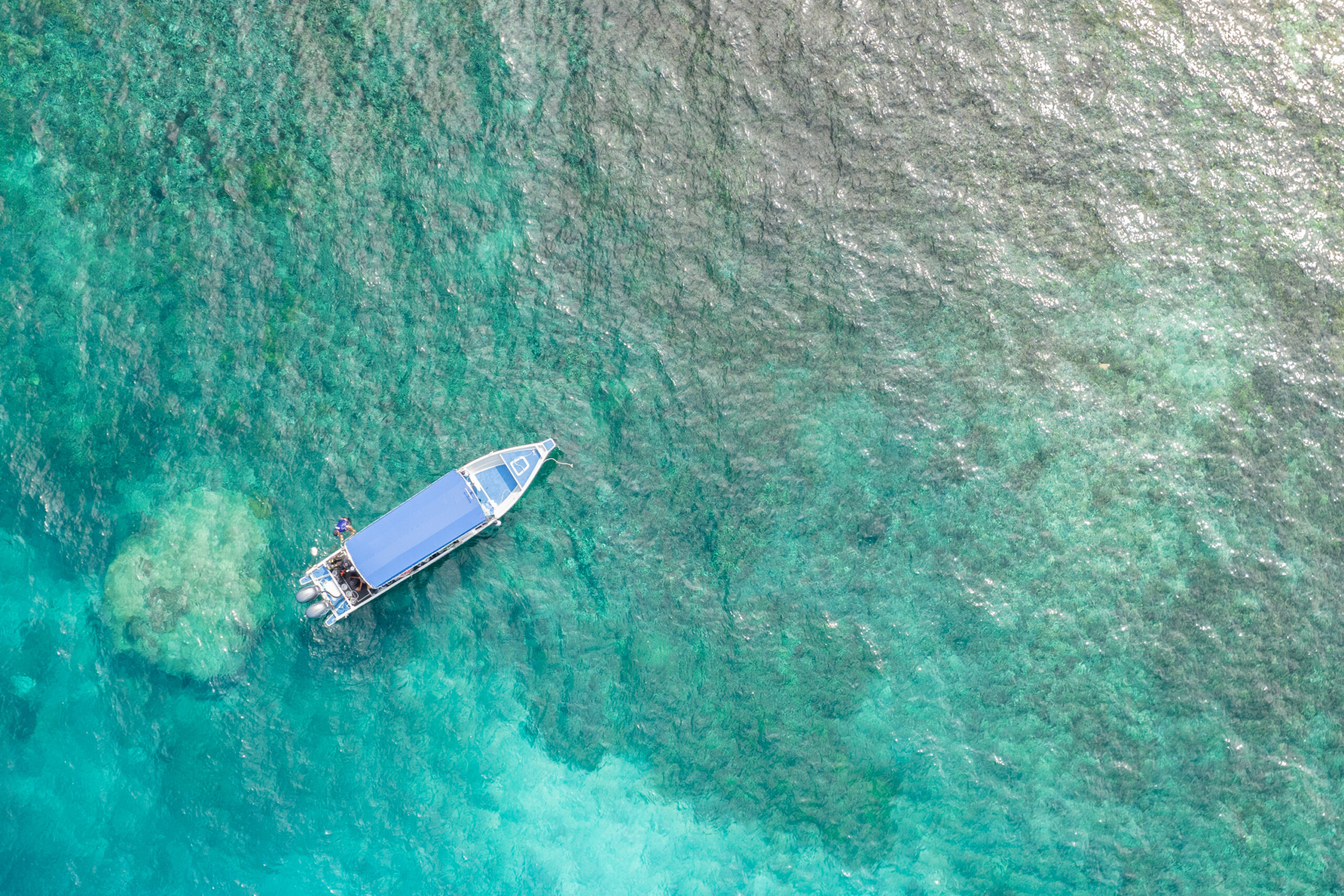
A vivid coral garden can look untouched from the surface, yet its health is shaped by the small choices every guest makes before stepping off the beach or boat. These reef safe travel tips are designed for travellers who want the full Pulau Tenggol experience – brilliant visibility, curious reef fish, unhurried beach time and memorable dives – while helping protect the underwater wonderland that makes the island so special.
A reef-friendly holiday is not about sacrificing comfort or adventure. It is about travelling with a little more intention: choosing what goes into the sea with you, giving marine life the space it needs, and letting trained local professionals guide every encounter. The reward is a more meaningful escape, where paradise remains extraordinary for the next group of snorkellers, divers and families.
Reef safe travel tips before you leave home
Thoughtful preparation starts with your wash bag. Sunscreen is essential under Malaysia’s tropical sun, particularly when you are spending long afternoons on the beach, snorkelling or travelling between dive sites. Choose a broad-spectrum formula labelled as reef-conscious, then look beyond the front of the bottle. Avoid products containing oxybenzone and octinoxate where possible, as these ingredients have been associated with coral stress.
No sunscreen is a licence to stay in the water indefinitely, and labels can vary widely. A rash vest, long-sleeved swim top, hat and sunglasses offer dependable sun protection while reducing how much lotion can wash into the sea. Apply sunscreen well before heading out and allow it to dry properly. This approach is especially useful for children, who often move quickly between sand, shallows and the pool.
Bring a reusable water bottle and any personal essentials you know you will use. On a remote island, reducing single-use packaging is more than a nice gesture. Every item that is not brought in unnecessarily is one less item that needs to be collected, stored and transported off the island. A dry bag is also worthwhile for keeping mobile phones, batteries and snacks secure during boat trips without relying on disposable plastic bags.
If you are a certified diver, inspect your own mask, computer, torch and exposure protection before departure. Well-maintained kit lowers the likelihood of a last-minute replacement, damaged strap or lost component ending up as waste. Travellers new to diving can arrive with curiosity rather than equipment. A professional dive centre can provide properly maintained gear and the briefing needed to feel comfortable in the water.
Let the reef set the rules
Coral is not a rock. It is a living colony that grows slowly and can be damaged in seconds by a fin kick, knee or hand. The simplest rule for snorkelling and diving is to look closely without touching. Keep a respectful distance from coral formations, even when trying to steady yourself for a photograph, and never stand on the reef in shallow water.
Good buoyancy is one of the most valuable skills a diver can develop. It protects delicate corals, improves air consumption and makes every encounter feel calmer. If you have not dived for some time, consider a refresher before heading to more intricate sites. Beginners should follow their instructor’s guidance closely and focus first on breathing, trim and awareness of where their fins are moving.
Snorkellers can protect the reef just as effectively by choosing a depth that feels relaxed. Float horizontally rather than paddling upright over shallow coral, use gentle fin strokes, and return to the boat or beach if the current or swell makes control difficult. Conditions change with wind, tide and season. There is no prize for pushing through a session that feels uncomfortable; the best decision may be to enjoy the view from a different location or at a different time.
Anchor damage can be devastating to coral. Join excursions that use established moorings or follow local operating practices designed to avoid dropping anchors on reef areas. At The One Tenggol Island Resort, guided dive and snorkelling experiences give guests the reassurance of local knowledge, from site selection to clear in-water etiquette.
Photograph wildlife without chasing it
Tenggol’s marine life rewards patience. A turtle gliding over the reef, a school of fish turning in clear blue water, or a shy creature emerging from a coral crevice can become the highlight of a holiday without ever being approached. Keep your camera at a sensible distance and let the animal decide whether to come closer.
Avoid touching turtles, fish, starfish and corals for a photograph. Marine animals may be stressed by pursuit or contact, while handling can remove protective coatings or disrupt natural behaviour. Feeding fish is equally unhelpful, even when it seems harmless. It changes feeding patterns and can make wildlife dependent on people rather than the reef.
For underwater photographers, secure every piece of equipment before entering the water. A dangling lanyard, loose action camera or poorly controlled selfie stick can strike coral when attention shifts to a subject. Take fewer shots, pause to check your position, and make buoyancy the priority. The most striking images often come from stillness rather than getting closer.
Keep sand, sea and shoreline connected
A healthy reef depends on more than what happens below the surface. Waste on the beach can become waste in the ocean, especially during rain or high winds. Keep food wrappers, bottle caps and tissues secured, and never leave anything behind after sunset walks, beach picnics or snorkelling sessions.
Be particularly careful with cigarette butts, wet wipes and small fragments of plastic. These items are easy to overlook and difficult to recover once they enter the water. If you notice litter during a walk, picking up a few pieces can make an immediate difference, provided it is safe to do so. Small actions become significant when every guest participates.
Respect shorebirds, nesting areas and coastal vegetation too. Beach plants help stabilise sand and provide shelter for small wildlife. Stay on designated paths where they are available, do not collect coral or shells as souvenirs, and keep noise low around animals. A shell may appear empty, but it can be a future home for another creature.
Choose experiences that put safety first
The most sustainable day on the water is also a well-managed one. Listen carefully to boat briefings, wear the required safety equipment and follow instructions on where to enter and exit the water. These measures do not only protect guests. They prevent rushed movements, unplanned contact with the reef and avoidable disturbance to wildlife.
Travelling as a family or group calls for a shared plan. Agree that nobody touches marine life, designate a meeting point, and make sure less confident swimmers have appropriate flotation support or supervision. For a first-time diver, a try-dive experience can be a more responsible choice than attempting a challenging site too soon. For certified divers, selecting a site that matches your recent experience, fitness and comfort level will lead to a safer, more enjoyable dive.
Weather can shape the day’s itinerary. Rain, currents or reduced visibility may mean changing plans, and that flexibility is part of island travel. A quieter afternoon by the beach, a leisurely meal or time to simply watch the water is not a missed opportunity. It is often what gives a premium island escape its sense of ease.
Leave with better habits than you arrived with
Reef protection should not end when the boat returns to shore. Rinse dive and snorkelling equipment only in designated areas, use toiletries sparingly, and ask before taking towels or linens for unnecessary daily laundering. On an island, water and energy are valuable resources, even at a resort designed for exceptional comfort.
Share the best part of your trip responsibly. When posting photos, celebrate the beauty of the marine environment without promoting unsafe behaviour such as standing on coral, handling animals or crowding a turtle for a close shot. The images that inspire other travellers should also show the respect that keeps these places beautiful.
Pulau Tenggol asks very little of its visitors: float gently, watch with wonder, and leave each reef exactly where it belongs. Carry those habits into every future coastal escape, and each memorable encounter beneath the surface becomes part of a larger promise to keep the sea alive with colour.