

A holiday search for marine life island Malaysia should lead to more than a quick glimpse of fish from a crowded boat. It should lead to clear water, reef walls alive with movement, quiet coves and time to notice what is happening beneath the surface. Around Pulau Tenggol, the sea is not simply part of the view. It is the reason many guests return.
This small island off the coast of Terengganu offers the kind of underwater encounters that make a beach escape feel genuinely memorable. One moment you may be floating above a garden of hard and soft corals; the next, watching a turtle pass through blue water with unhurried purpose. For snorkellers, first-time divers and experienced certified guests alike, Tenggol brings Malaysia’s tropical marine world pleasingly close.
Why Pulau Tenggol stands out for marine life in Malaysia
Pulau Tenggol sits in waters that support a rich variety of reef habitats. Its sheltered bays can suit relaxed snorkelling sessions, while deeper sites, dramatic slopes and rocky formations give qualified divers plenty to explore. That range matters when travelling with a partner, family or group where not everyone has the same experience level.
The real appeal is variety. A morning snorkel can reveal bright reef fish weaving through coral heads, while an afternoon dive may bring sightings of larger pelagic visitors in the blue. Conditions, visibility and wildlife are never identical from one day to the next, which is precisely what gives the island its sense of discovery.
Pulau Tenggol is especially rewarding for guests who want an island holiday with substance. Between time on the beach, long lunches and peaceful evenings by the sea, there is a living underwater landscape waiting just offshore. You do not need to choose between a refined resort escape and an active marine adventure.
Marine life island Malaysia visitors may encounter
No responsible dive operator should promise a particular animal on a particular day. Wild encounters happen on nature’s timetable, and sea conditions influence both where boats travel and what can be seen. Yet Tenggol’s reef systems offer excellent potential for a vivid range of sightings across the season.
Turtles, reef fish and coral gardens
Green turtles and hawksbill turtles are among the encounters many guests hope for. Seeing one glide calmly over a reef is a privilege, not a checklist item, and the best approach is always to give it space. Remain still, avoid swimming directly above it and let the turtle decide whether to continue on its path.
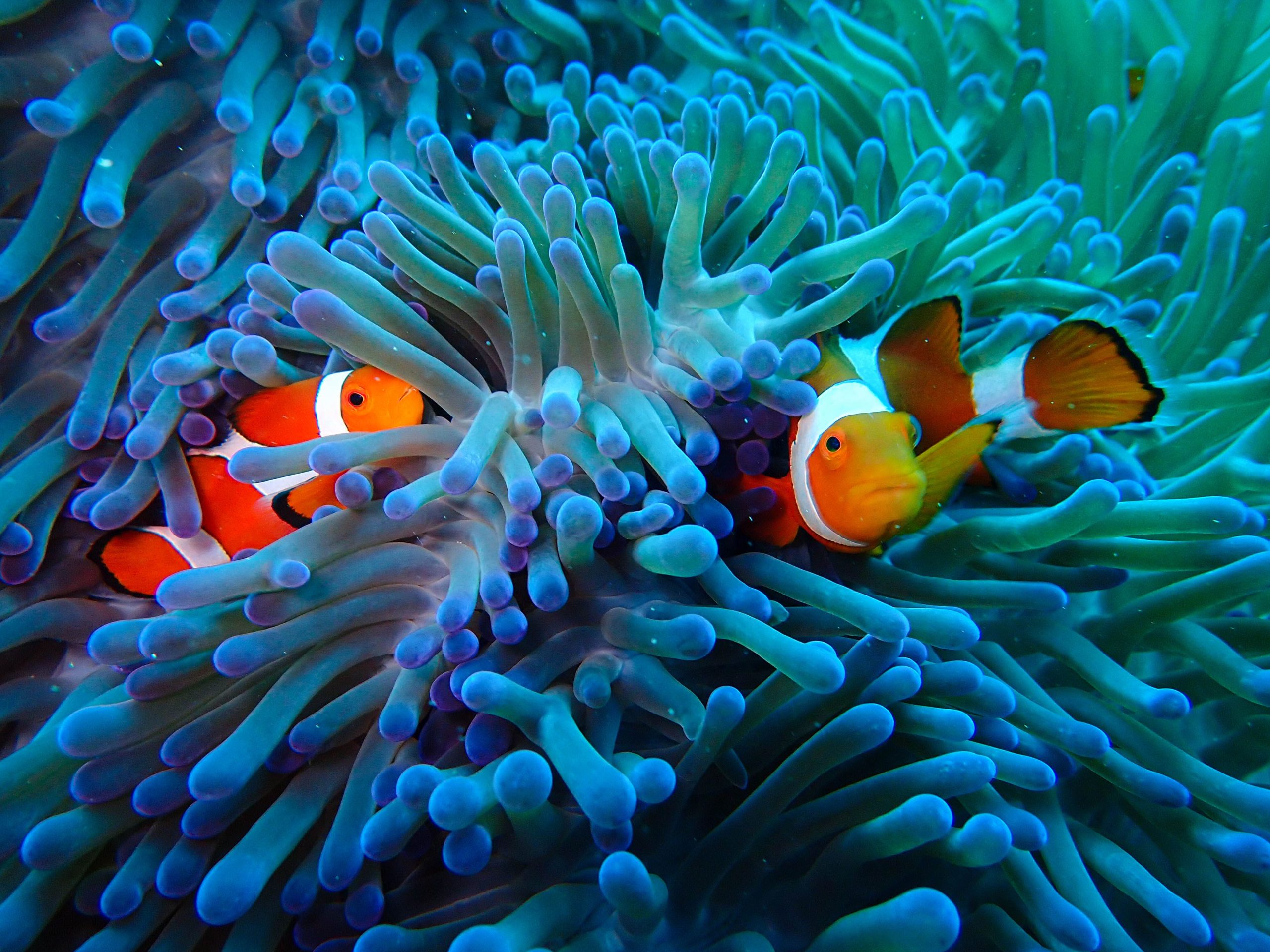
Closer to the coral, there is colour everywhere. Parrotfish, butterflyfish, angelfish, damselfish and clownfish add movement to the reef, while schools of fusiliers can turn open water into a shimmering current of silver and blue. Look more carefully and the smaller residents begin to appear: shrimp, crabs, nudibranchs and well-camouflaged creatures tucked into crevices.
Coral is not scenery. It is a complex home for the species that make each snorkel and dive feel full of life. Avoid touching, standing on or holding the reef, even in shallow water. One careful guest makes a meaningful difference.
Larger visitors in the blue
For certified divers, Tenggol can also offer the thrill of larger marine animals beyond the reef. Rays may pass across sandy areas or open water, and some sites can attract schooling fish that create an entirely different sense of scale from a sheltered coral bay.
Seasonal encounters with whale sharks are part of Tenggol’s wider appeal, although they should always be treated as a possibility rather than a guarantee. If one appears, the moment is best enjoyed calmly: keep a respectful distance, never chase it, and follow the guidance of the dive professional leading the excursion. A considered encounter is better for the animal and far more rewarding for everyone in the water.
The unexpected moments are often the best
Marine life is not only about headline species. A perfectly framed lionfish, a curious moray eel emerging from its shelter or a cloud of juvenile fish moving as one can become the image you remember most. Bring a little patience to every session. Slow down, breathe steadily and allow the reef to reveal itself.
Snorkelling or diving: choosing your experience
Snorkelling is a wonderful starting point for guests who want to enjoy the sea without committing to scuba equipment or formal training. In suitable conditions, it offers an accessible view of coral gardens and shallow-water fish, making it ideal for families and non-divers who still want a close connection with Tenggol’s marine environment.
A well-fitted mask is transformative. Water entering a mask or fins that rub can distract from an otherwise beautiful experience, so take time to get comfortable before setting off. If you are new to snorkelling, ask for a short orientation on breathing, finning and reef awareness. A few simple pointers can make the water feel far more relaxed.
Scuba diving opens another dimension. It allows you to remain underwater longer, visit deeper sites and observe marine behaviour without the constant interruption of returning to the surface. Beginners can start with a supervised try-scuba experience or progress through SSI training, while certified divers can enjoy guided dives shaped around their confidence, qualification level and current conditions.
The best choice depends on what you want from your holiday. Snorkelling offers simplicity and spontaneity; diving provides depth, time and a more immersive view of the reef. Many guests enjoy both, using snorkelling for easy daytime exploration and diving for the sites that reveal Tenggol’s more dramatic underwater character.
How to enjoy Tenggol’s reefs responsibly
A premium island experience should leave the place as remarkable for the next guest as it was for you. Responsible marine travel does not mean making the holiday less enjoyable. It means learning how to be a thoughtful visitor in an environment that cannot speak for itself.
Keep your fins clear of coral and maintain good buoyancy if diving. Never feed fish, collect shells or remove anything from the sea. Choose reef-conscious sun protection where possible, secure loose items before boarding a boat and take all litter back with you. Photography is welcome, but a photograph is never worth stressing an animal or damaging its habitat.
If you are learning to dive, do not feel pressured to master everything immediately. Good buoyancy takes practice. Tell your instructor or guide if you are nervous, need more time or want a refresher before a boat dive. Confident divers are not those who rush ahead; they are those who know their limits and make careful decisions.
Planning a marine-focused island holiday
Marine conditions vary through the year, so it is wise to plan around the island’s operating season and speak with the resort team about the type of experience you hope to have. Visibility, currents and weather affect site selection, while your own experience level affects which dives are appropriate. Flexibility is valuable – one day may be perfect for a gentle snorkel, another for a more adventurous dive.
Pack light layers for boat journeys, a rash guard for additional sun protection, swimwear and a reusable water bottle. If you wear prescription lenses, arrange an appropriate mask solution before travelling. Certified divers should bring evidence of certification and logbook details where available, while those considering a course should allow enough time to learn without compressing the experience into an already busy itinerary.
At The One Tenggol Island Resort, the pleasure lies in having beachfront comfort and guided underwater adventure in one considered escape. Start the day with the sea on your doorstep, return from a dive to the calm of the island, and let each encounter shape the rhythm of your holiday.
Give yourself time beyond a single splash in the water. Stay curious, listen to local dive guidance and leave room in your plans for the reef to surprise you – that is where Pulau Tenggol’s most lasting memories tend to begin.