

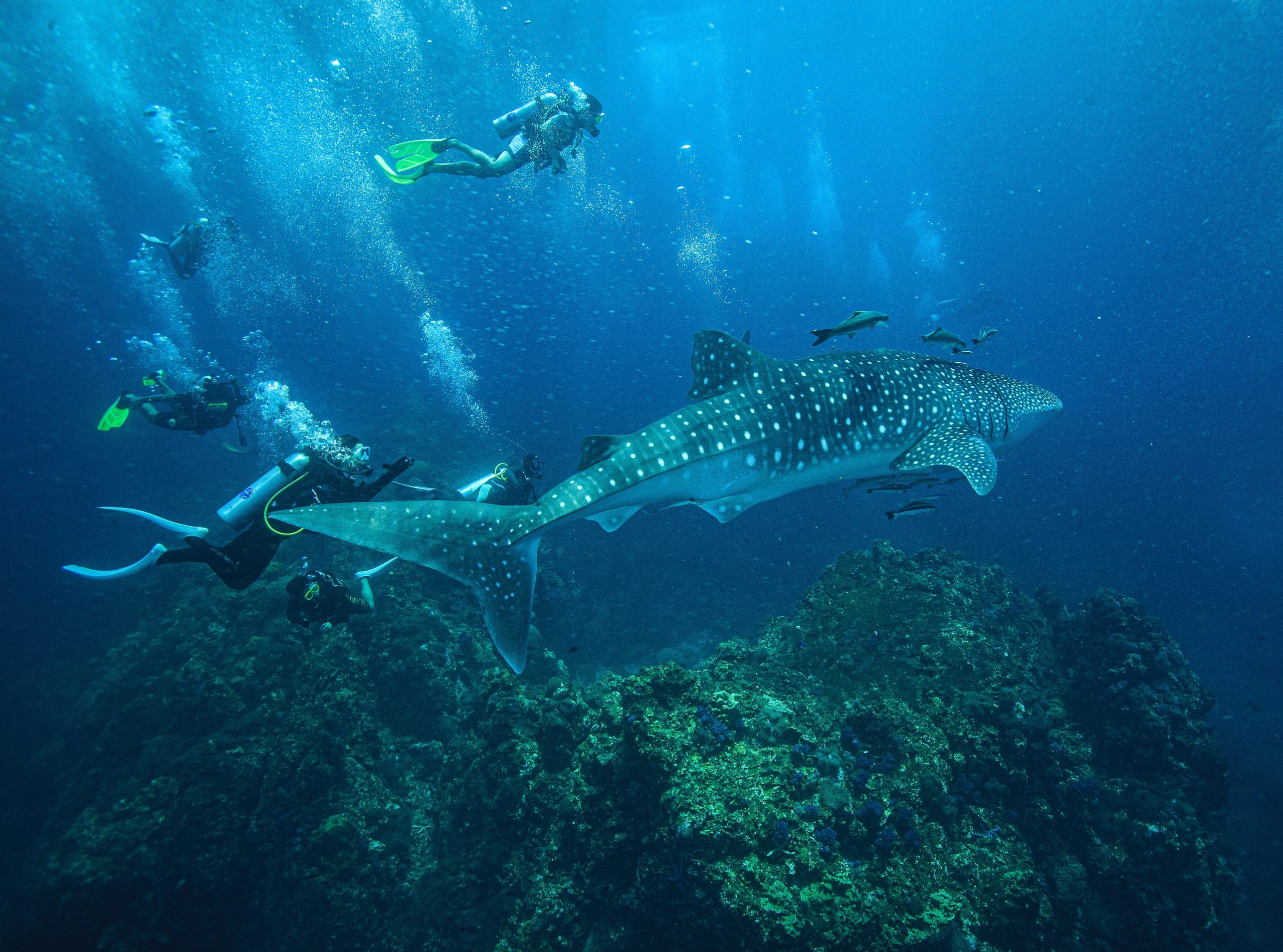
The first giant stride into clear tropical water should feel exciting, not uncertain. Asking scuba medical questions before you travel gives you time to plan properly, speak to the right clinician where needed, and arrive ready to enjoy every reef, turtle encounter and relaxed afternoon by the sea.
Diving is an accessible adventure for many people, including those who manage long-term health conditions. But it does place particular demands on the ears, lungs, heart and judgement. An honest health check is not a barrier to paradise. It is how you protect your holiday, your dive buddy and the precious time you have set aside for an underwater escape.
Why scuba medical questions deserve a proper answer
Scuba diving changes the pressure around your body as you descend and ascend. Your ears and sinuses must equalise, your lungs need to function well under pressure, and your circulation must cope comfortably with exertion, heat and sometimes surface conditions. A condition that feels minor during daily life may need more consideration underwater.
The standard dive medical questionnaire is designed to identify situations where a doctor’s assessment may be sensible before you take part. It is not a diagnosis and it cannot replace individual medical advice. If a question applies to you, be transparent with the dive team and arrange a review with a doctor who understands diving medicine wherever possible.
This is especially worthwhile if you are planning an SSI course, a return to diving after time away, or several dives across consecutive days. A little preparation means you can focus on the colour and life of the reef rather than wondering whether you should have asked sooner.
The most common scuba medical questions
Can I dive if I have asthma?
It depends on the type, severity and control of your asthma. Well-controlled asthma may be compatible with diving for some people, particularly when symptoms are infrequent and exercise does not trigger wheezing. However, recent attacks, unpredictable symptoms, hospital treatment or a need for frequent reliever medication are reasons to seek specialist advice before diving.
The concern is not simply breathlessness. Narrowed airways can trap gas during ascent, which may increase the risk of lung injury. Cold water, exertion and saltwater spray can also provoke symptoms in some divers. Do not make the decision based solely on how you feel on a good day. A dive-aware clinician can assess your history, treatment and, where appropriate, lung function.
What if I have a cold, hay fever or blocked sinuses?
Equalising should be easy and comfortable. If congestion prevents that, postpone the dive. Forcing your ears to clear can lead to pain and barotrauma, while descending with a blocked sinus can turn a beautiful site into a very uncomfortable experience.
Hay fever can be more complicated because symptoms may be seasonal or intermittent. Discuss a management plan with your clinician before travelling if you regularly struggle with congestion. Decongestants may seem like a quick solution, but their effects can wear off during a dive and some can cause unwanted side effects. They should never be used to push through a day when you are clearly unwell.
Can I dive with ear problems or after ear surgery?
A history of repeated ear infections, a perforated eardrum, hearing problems, grommets or ear surgery calls for medical advice before diving. The key question is whether your ear can equalise safely and whether the eardrum and middle ear have healed fully.
Even without a medical history, stop the dive if equalising becomes painful or difficult. Signal your buddy, ascend a little and try gently again. Never descend while holding your nose and blowing forcefully in an attempt to overcome pain. Missing one dive is far better than losing days of your holiday to an ear injury.
Is medication a problem for scuba divers?
Many medications do not automatically prevent diving. The reason the medicine is prescribed, its side effects and how stable you are on it all matter. Some medicines can cause drowsiness, blurred vision, altered judgement, dehydration or a change in blood sugar, none of which are ideal underwater.
Do not stop prescribed medication in order to dive, and do not trial a new medicine for the first time on a diving day. Bring enough medication for your whole stay, keep it protected from heat and moisture, and ask your prescriber specifically about diving. This includes medication for anxiety, high blood pressure, diabetes, allergies and pain relief.
Can I dive with high blood pressure or a heart condition?
High blood pressure that is well managed may not rule out diving, but it deserves a conversation with a clinician. Diving can involve carrying equipment, climbing a boat ladder, swimming against a current and responding calmly to an unexpected moment. Your cardiovascular fitness needs to support those demands.
Anyone with chest pain, unexplained breathlessness, fainting, an irregular heartbeat, a previous heart event or cardiac surgery should obtain individual clearance before diving. The same applies if your exercise capacity has changed. A relaxing resort setting should never create pressure to ignore symptoms that would concern you at home.
Can I dive if I am pregnant?
Recreational scuba diving is not recommended during pregnancy. The effects of pressure exposure on a developing foetus are not fully understood, and the cautious choice is to pause scuba diving until after pregnancy and appropriate postnatal recovery. Snorkelling, gentle beach time and boat outings can still offer memorable ways to experience an island’s marine world, subject to your own medical advice and comfort.
What about diabetes, epilepsy or mental health conditions?
These situations are highly individual. Some people with well-managed diabetes can dive under a clear plan developed with an experienced clinician and dive professional, including careful glucose monitoring and buddy procedures. A recent severe low blood sugar episode, impaired awareness of hypoglycaemia or unstable control may make diving unsuitable at that time.
Epilepsy and a history of seizures require specialist assessment because a seizure underwater can be life-threatening. With mental health, the diagnosis alone does not tell the full story. Consider current symptoms, medication effects, panic history and whether you feel able to make calm decisions in an unfamiliar environment. Diving should feel empowering, never like a test you have to endure.
Fitness is more than passing a form
A medical questionnaire is one part of being ready. The other is practical comfort in the water. You should be able to swim, use basic equipment, follow instructions and cope with moderate physical activity without unusual breathlessness or exhaustion.
If you have not dived for some time, a refresher session is often the most enjoyable choice. It restores confidence with buoyancy, mask clearing and safety skills before the open-water adventure begins. If you are completely new to scuba, a supervised try dive or beginner course provides the right pace and support.
At The One Tenggol Island Resort, this blend of expert guidance and unhurried island comfort lets guests approach the underwater world with confidence, whether they are taking their first breath from a regulator or returning to the sea after a break.
Questions to ask before you travel
If you have a health condition, seek advice early rather than at the airport. A diving medical assessment may involve reviewing your history, medication and exercise tolerance, with tests only where they are clinically appropriate. Bring any required written clearance with you, particularly if the dive medical form indicates it.
It also helps to consider the rhythm of your holiday. Allow time to settle in, stay well hydrated and avoid excessive alcohol before diving. Sleep matters too. Early boat departures, warm weather and consecutive dive days are far more enjoyable when you arrive rested.
Leave a sensible interval between your final dive and flying. The precise advice depends on your dive profile and recognised guidance, but rushing from a dive boat to an aircraft is not part of a safe plan. Build that buffer into your itinerary, then use the last day for a leisurely breakfast, snorkelling from the shore if appropriate, or simply watching the sea change colour from the beach.
Be honest with your dive team
No guest wants to be the person who changes the plan, especially when friends are eager to get in the water. Yet hiding congestion, dizziness, medication changes or a recent illness can turn a manageable issue into a serious one. Experienced dive professionals would always rather adjust a plan than manage an avoidable emergency.
Tell the team about anything relevant before equipment is prepared and before you board the boat. You do not need to diagnose yourself. Simply explain what has changed and ask what the safest next step looks like. Sometimes that means a shallower site, a refresher, a snorkelling day or taking time to recover.
The reef will still be there. Arrive prepared, listen to your body and give yourself permission to choose the safer option – that is how an island adventure remains a treasured memory long after the tan has faded.